Wednesday, July 26, 2006

書道 (calligraphy)


Today the weather is perfect. It is really clear here, with only a few scattered clouds here and there - which has been a rare thing lately.

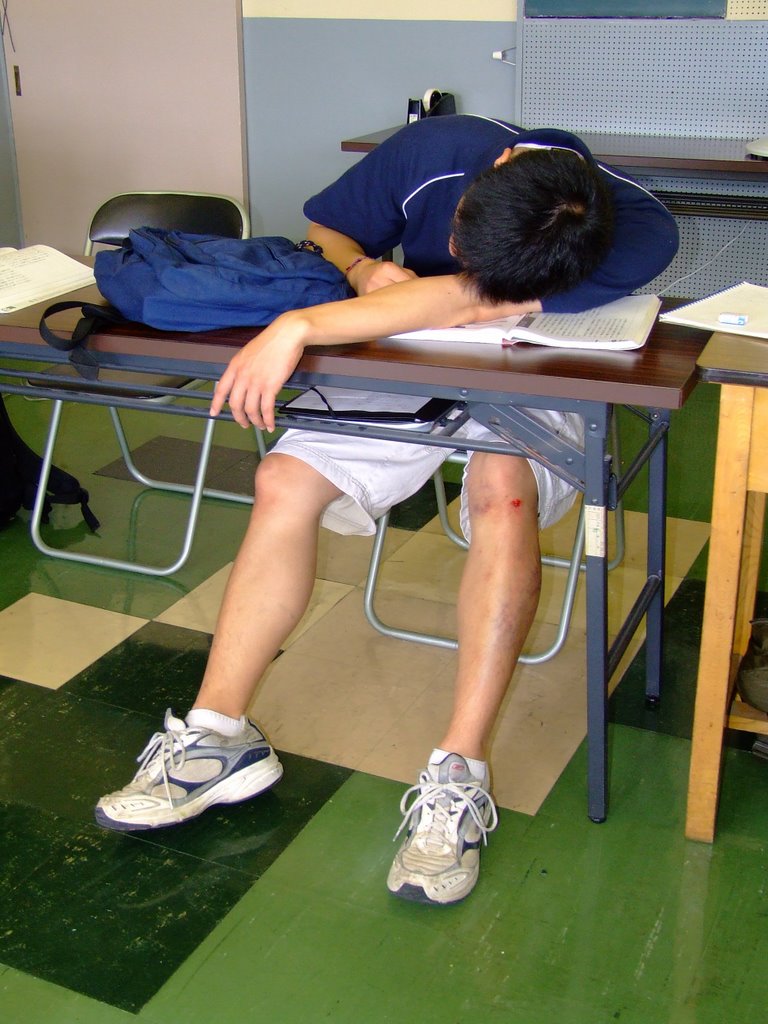
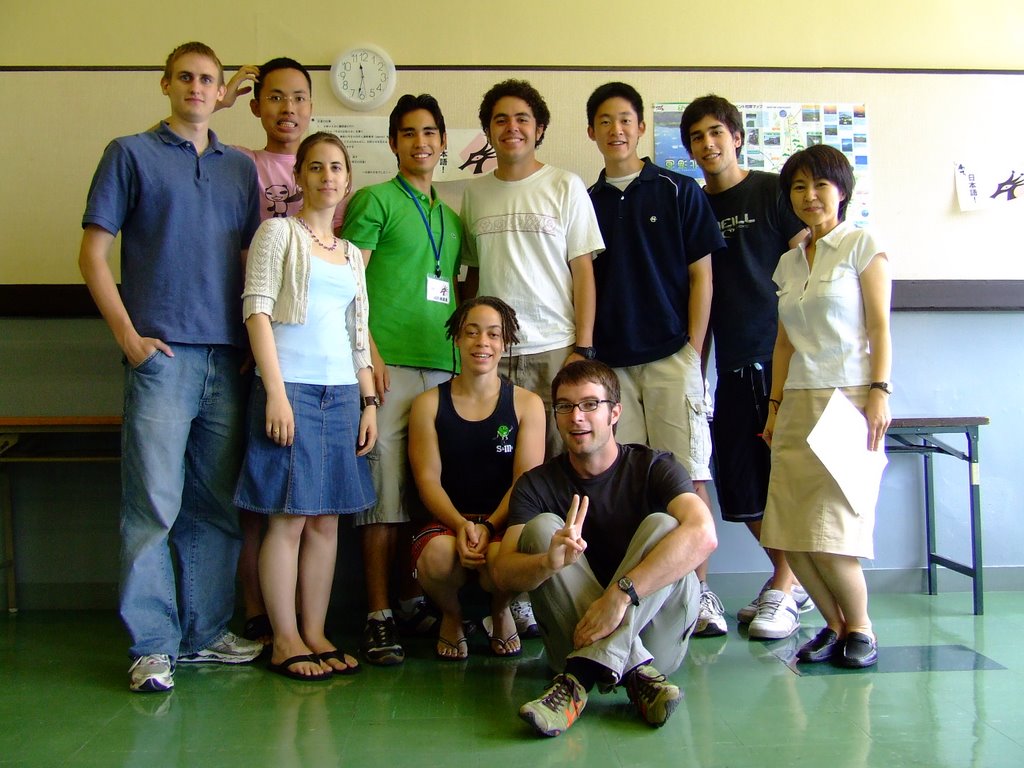
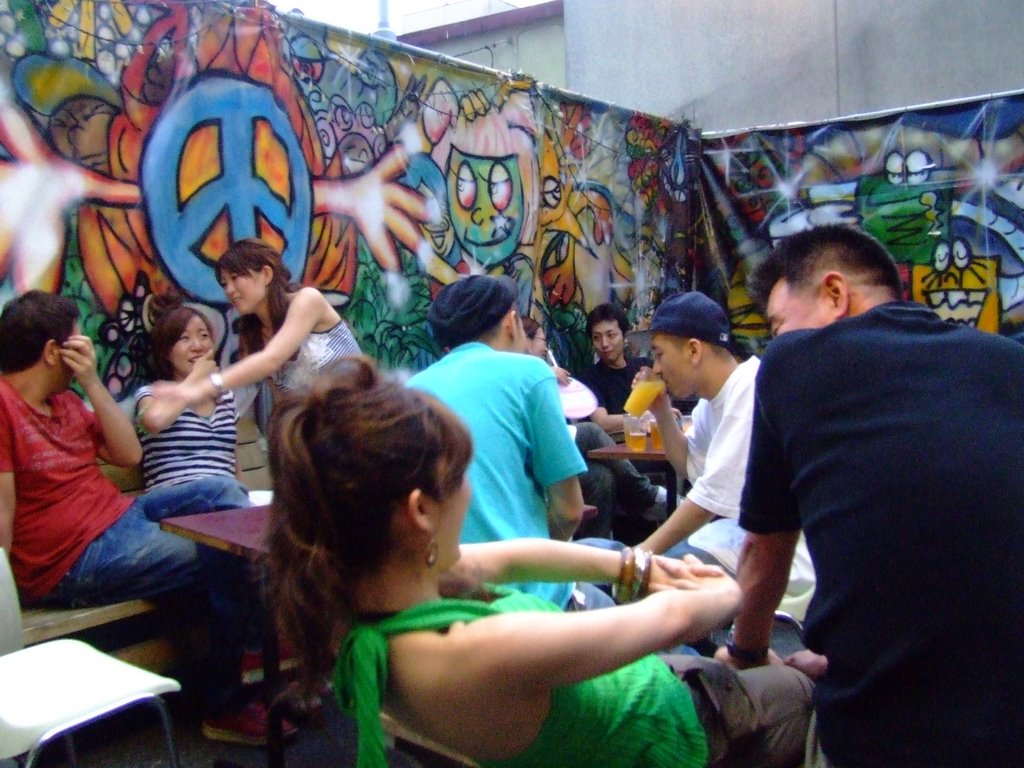
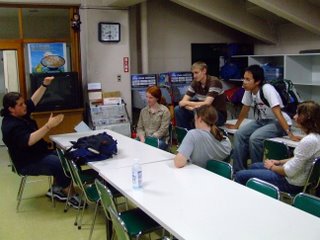
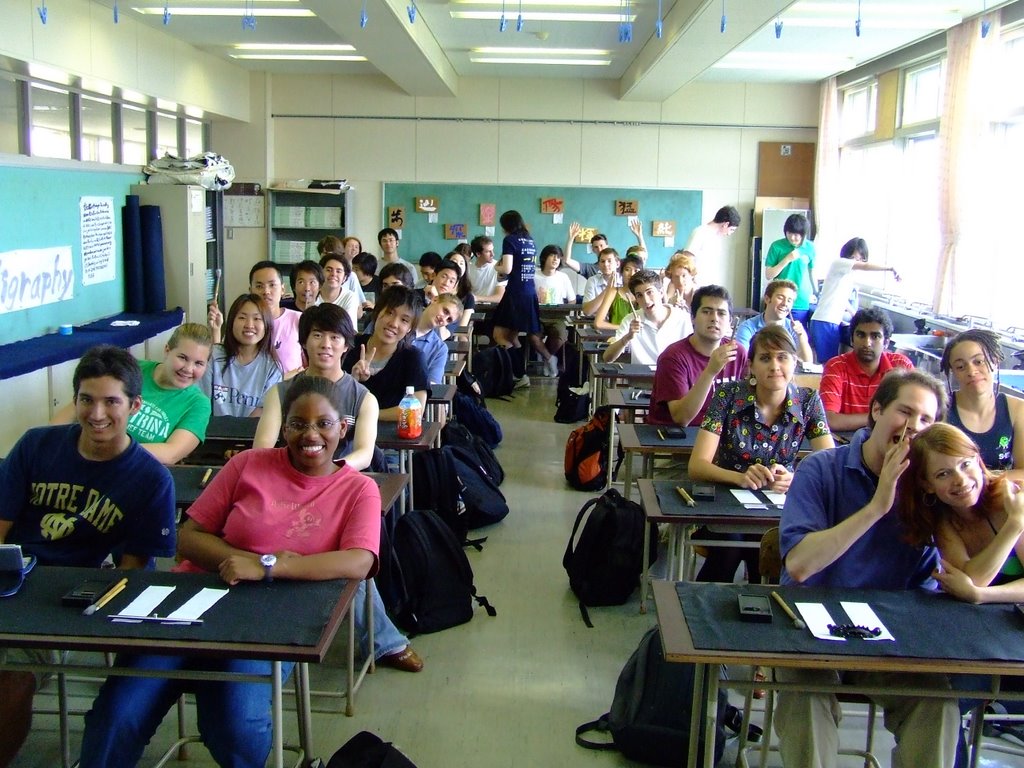
I thought people reading this might be interested to see a picture of my classmates, and my teacher, Oda Sensei.

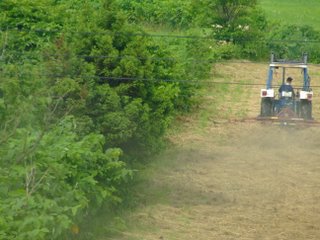
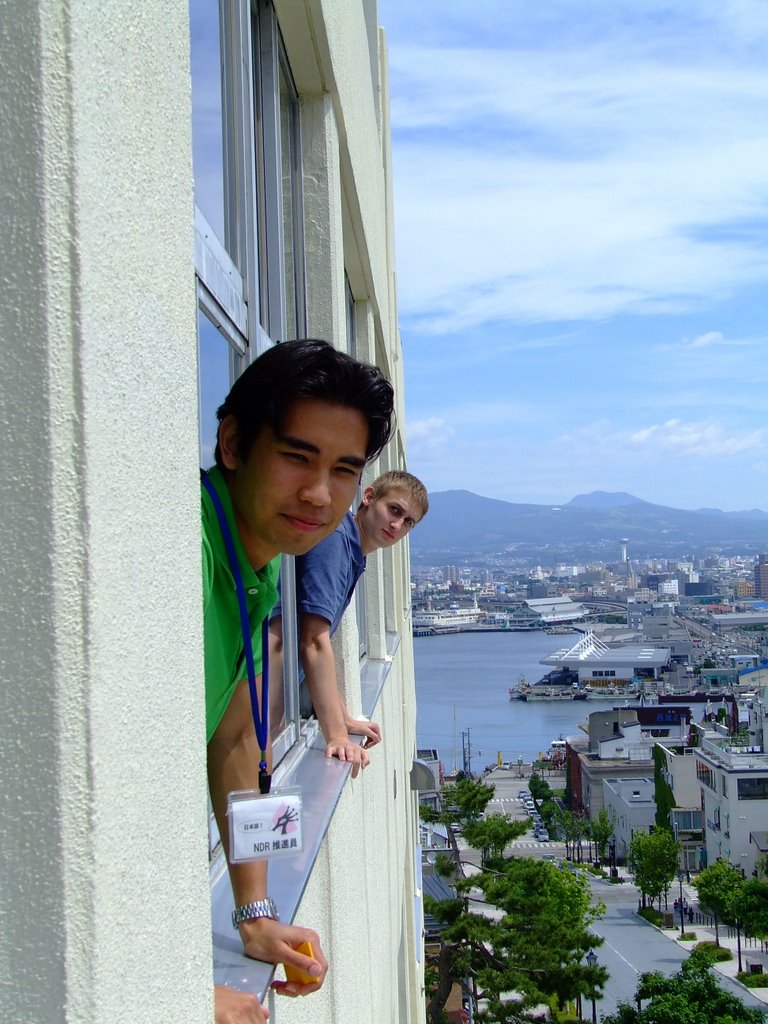
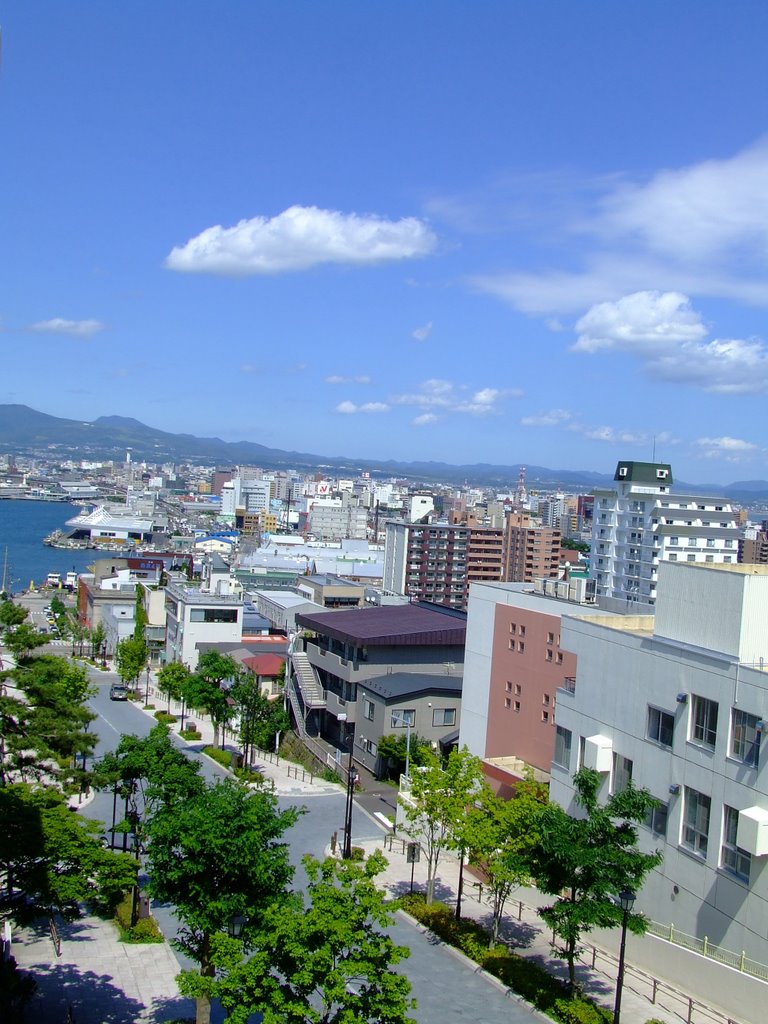
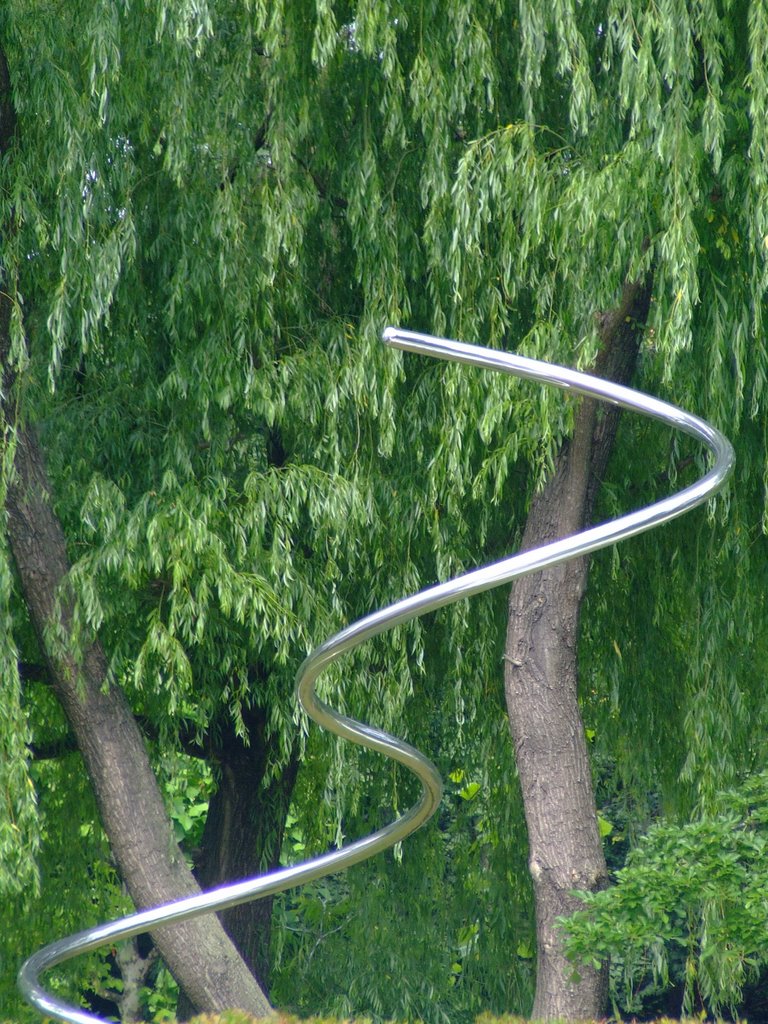
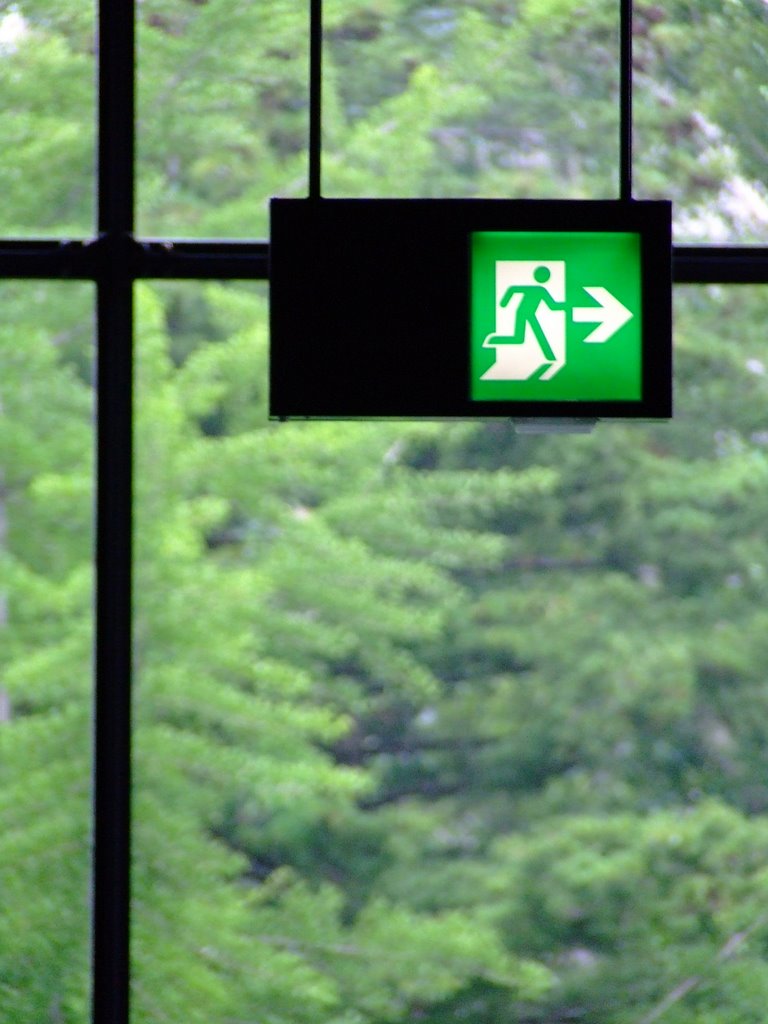
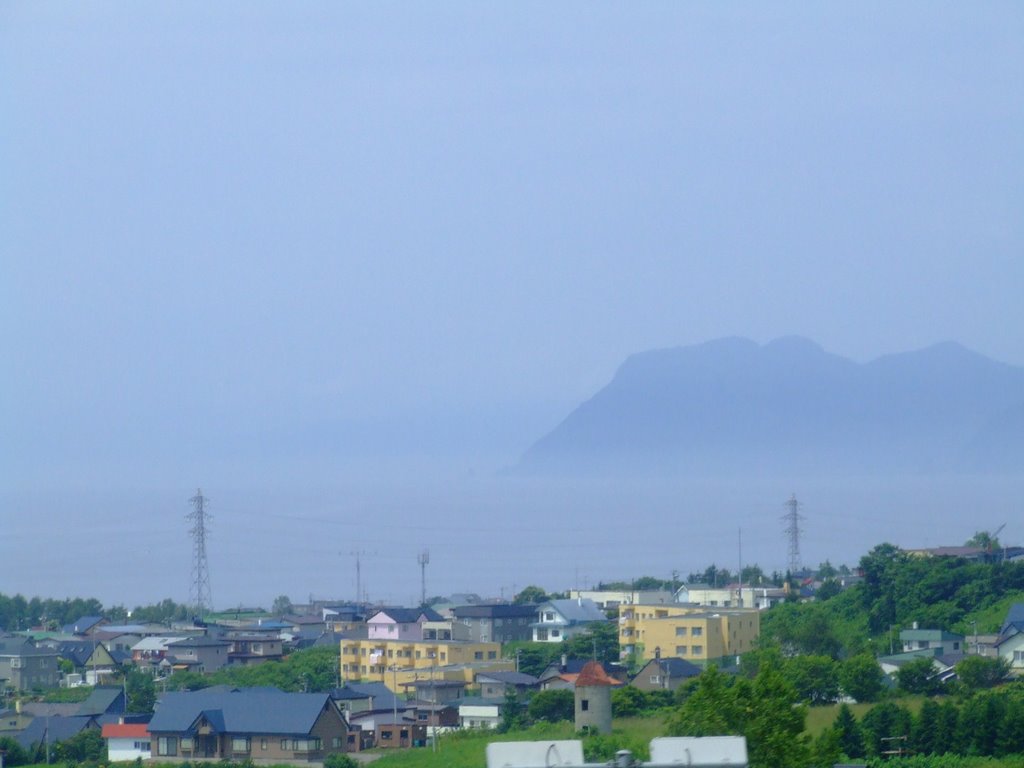
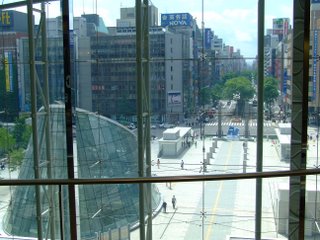
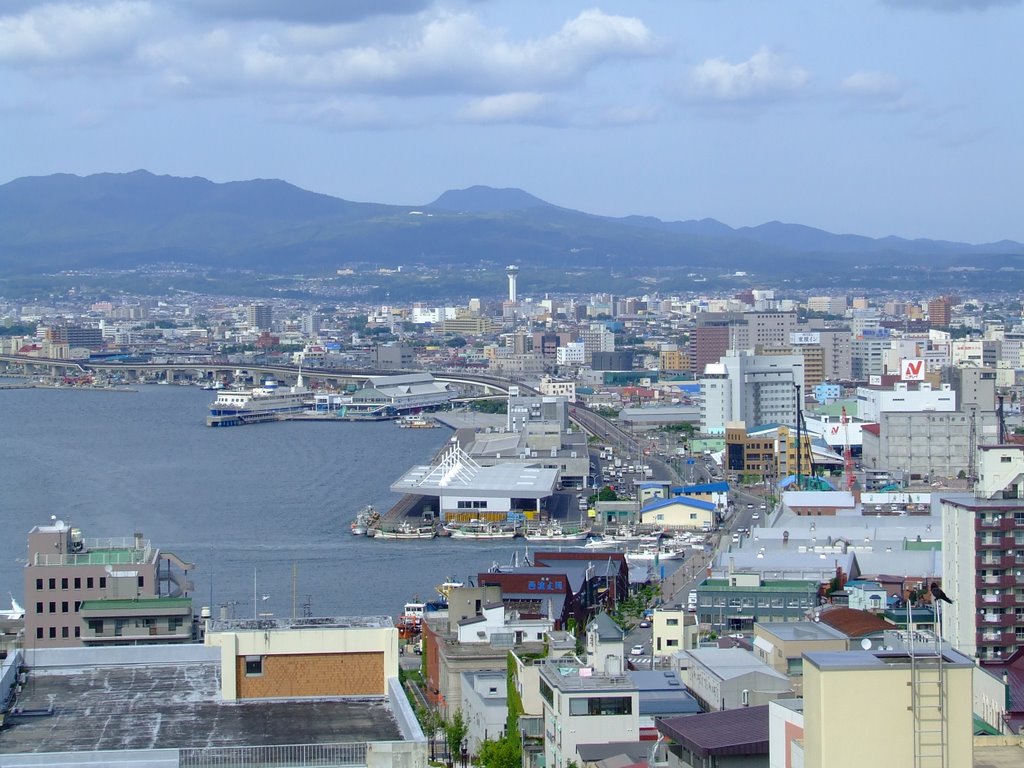
There are also some views from my classroom window.

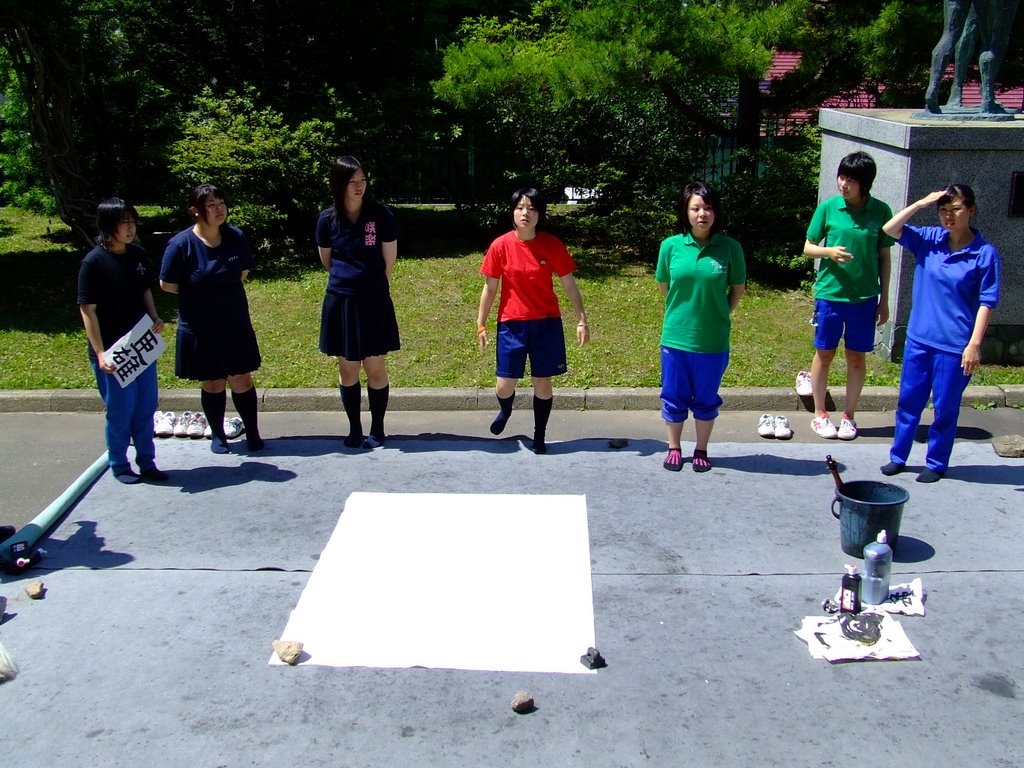
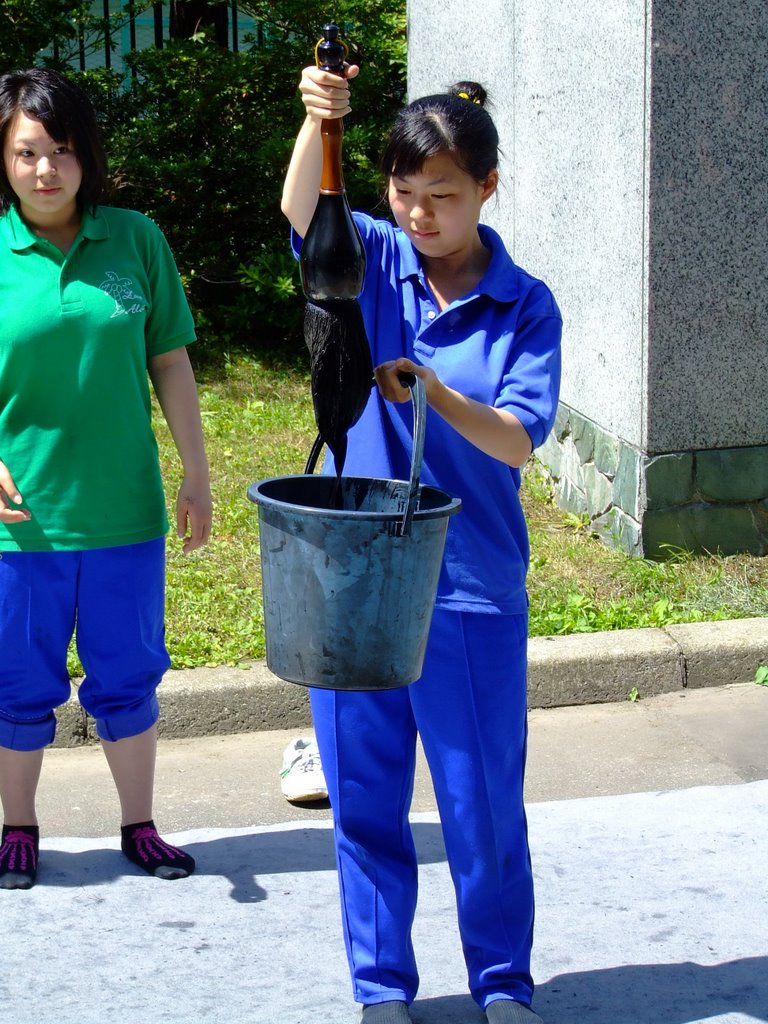
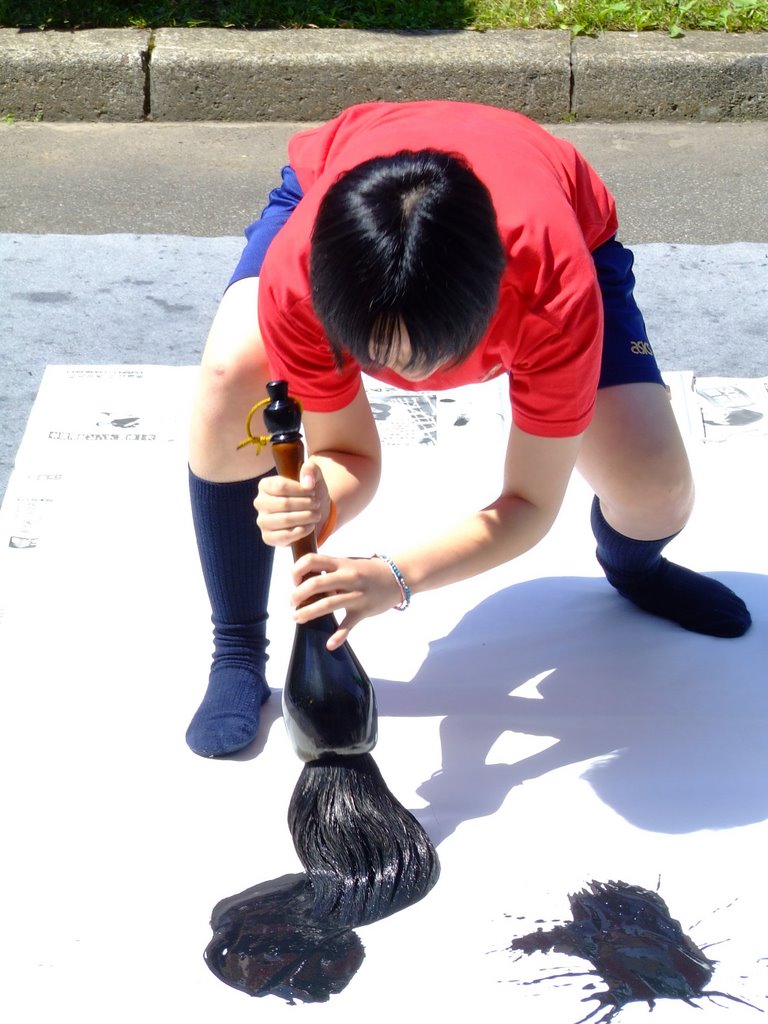
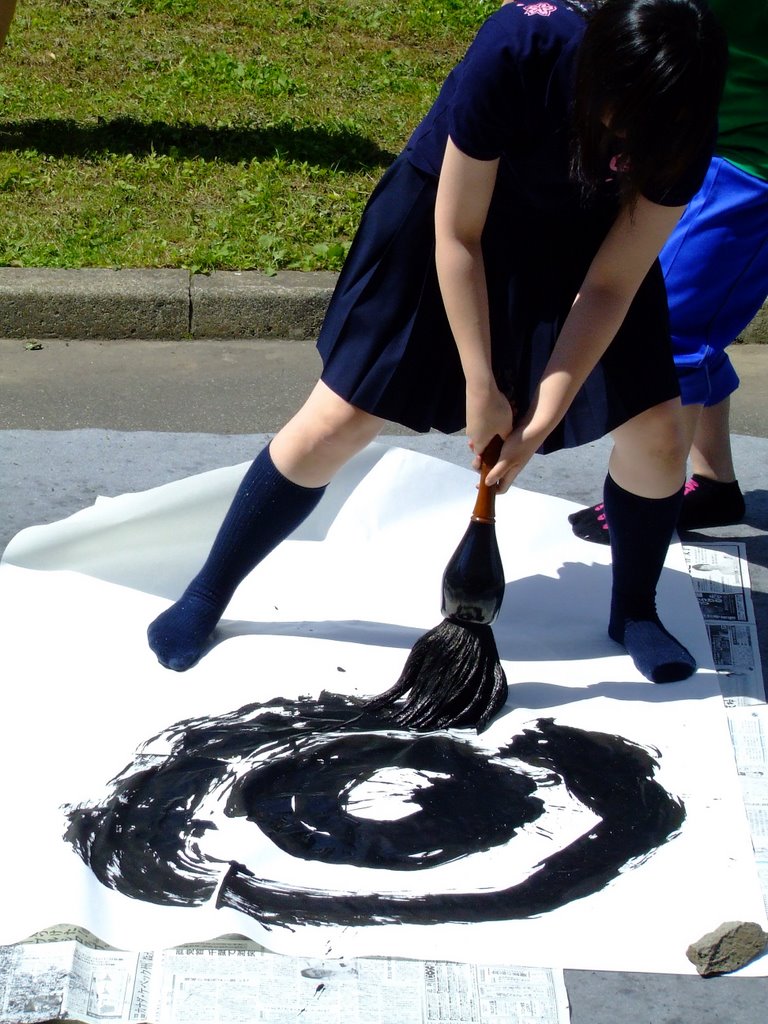
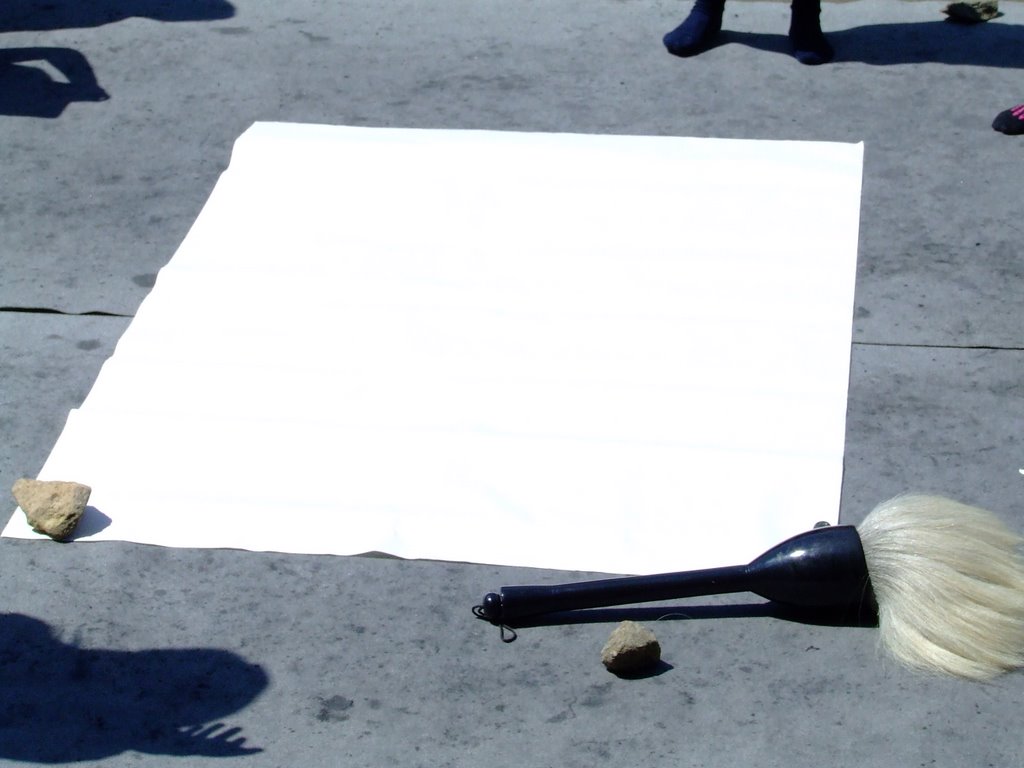
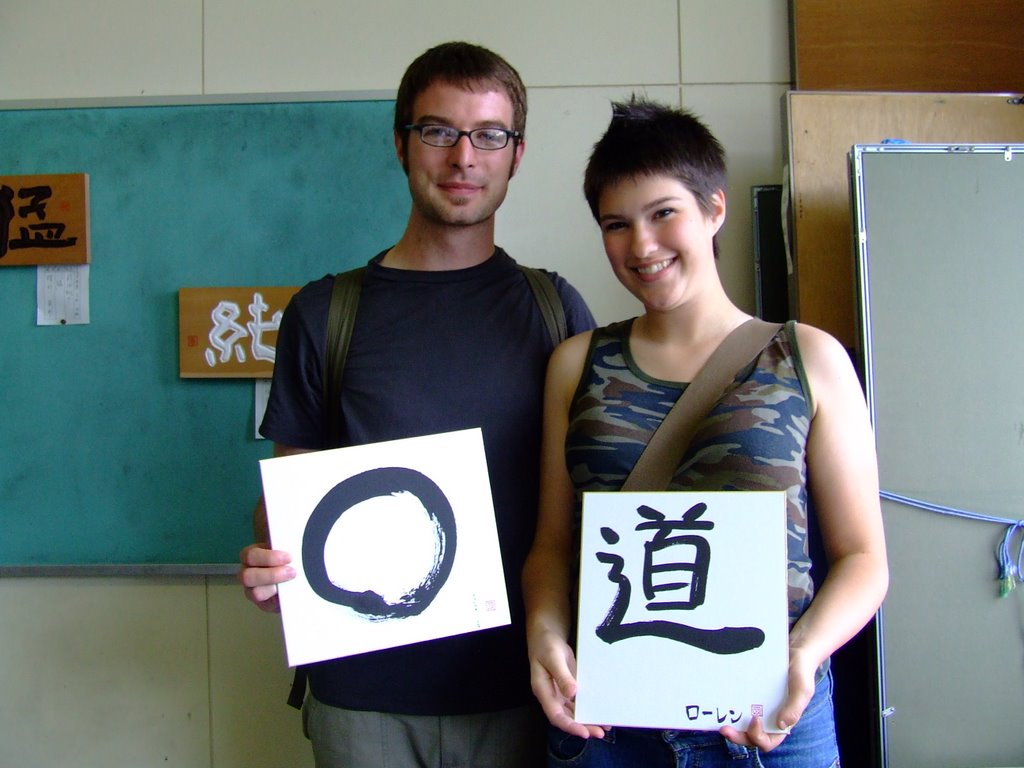
After class today I went to a 書道 class. At the beginning of the class the teacher held a special demonstration for us. Some of the calligraphy club students demonstrated how to use a very large calligraphy brush. I can't remember exactly how much he said the brush costs, but somewhere around $3,000.

Japanese calligraphy is really hard to do well. Depending on how you hold the brush, the amount of ink in your brush, the amount of pressure, the age of the brush hairs, the quality of the paper, etc....are all variables that masters take into consideration when composing a piece. For us though, it's just about getting the brush wet and slopping it on the paper.

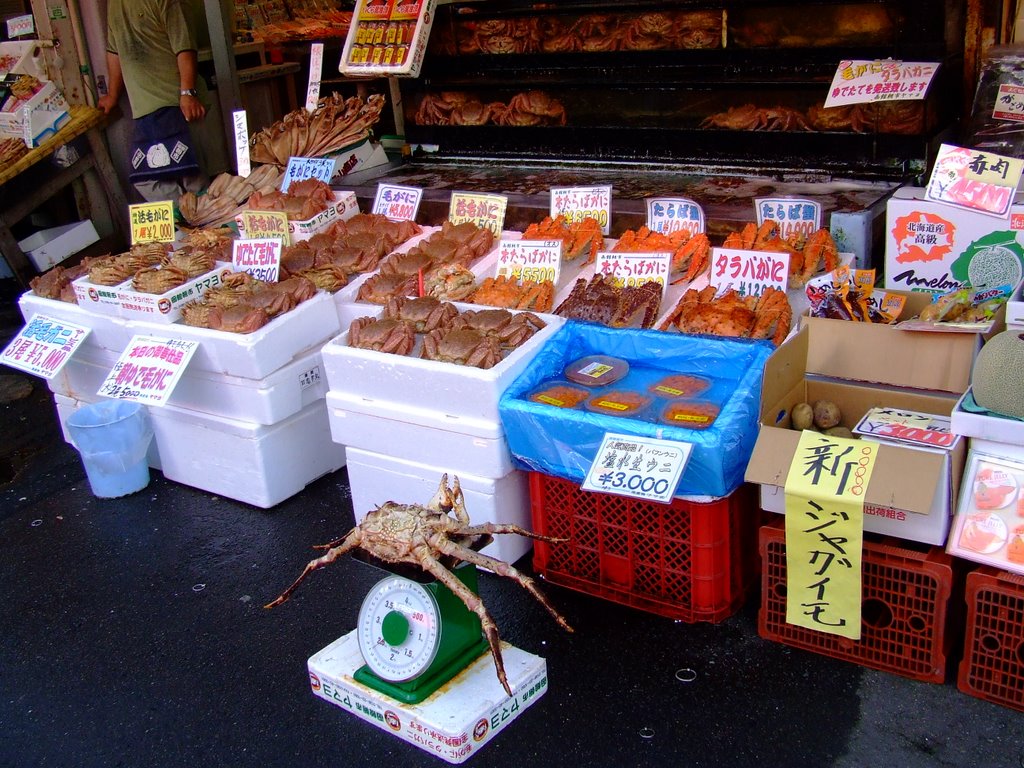
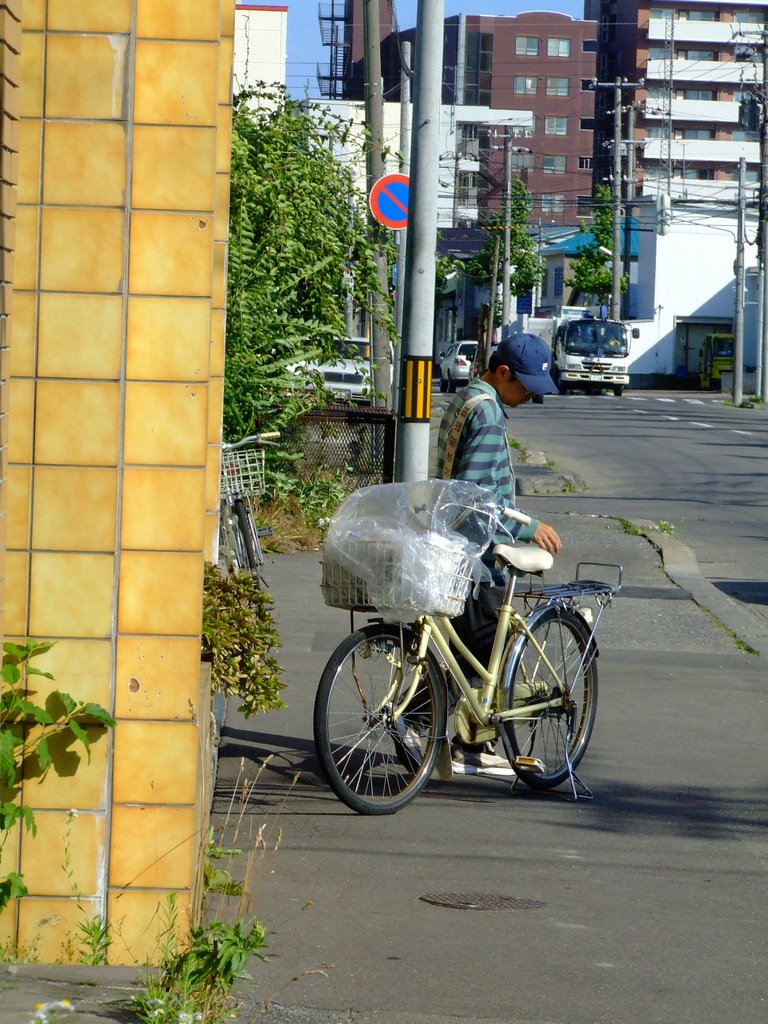
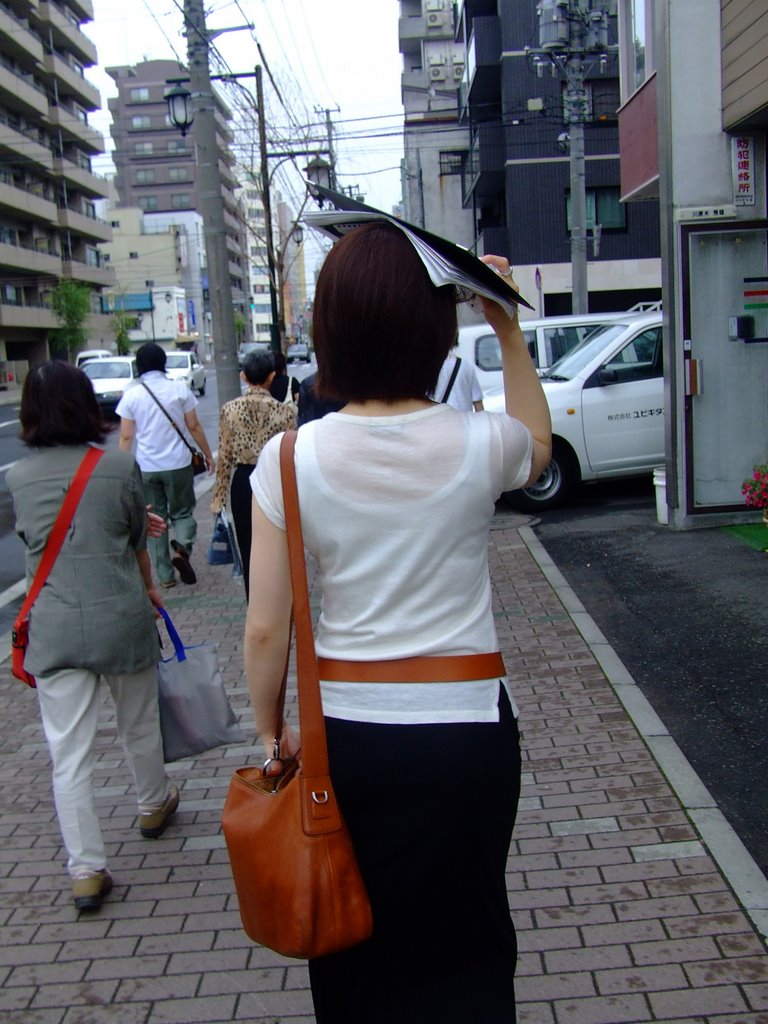
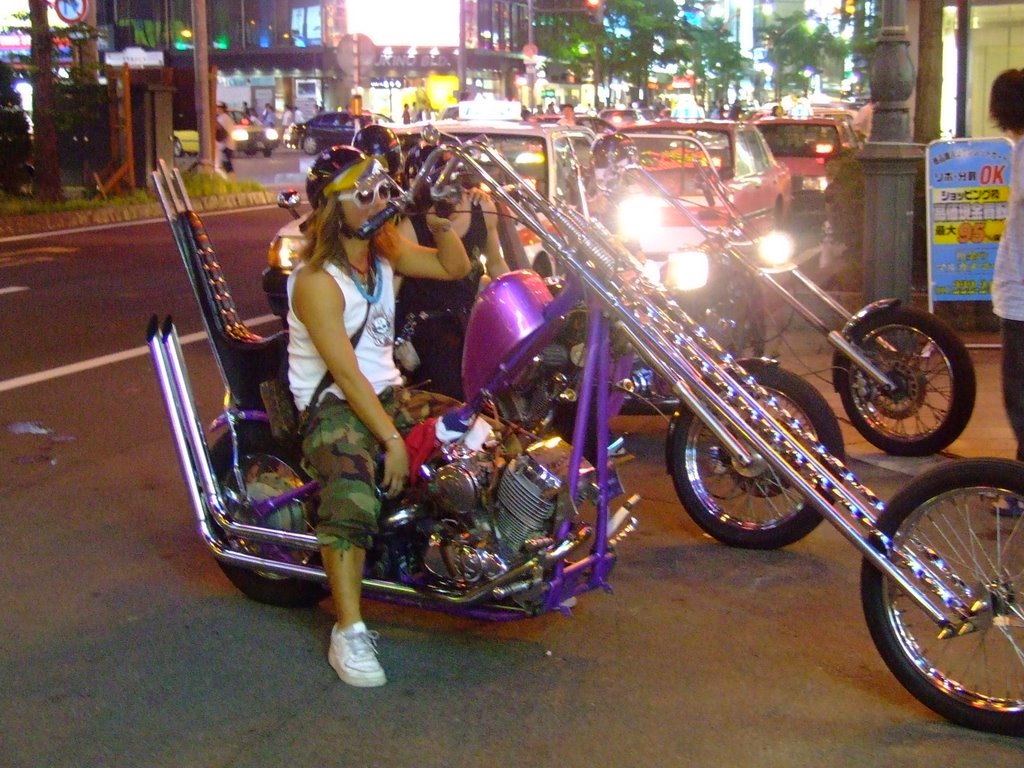
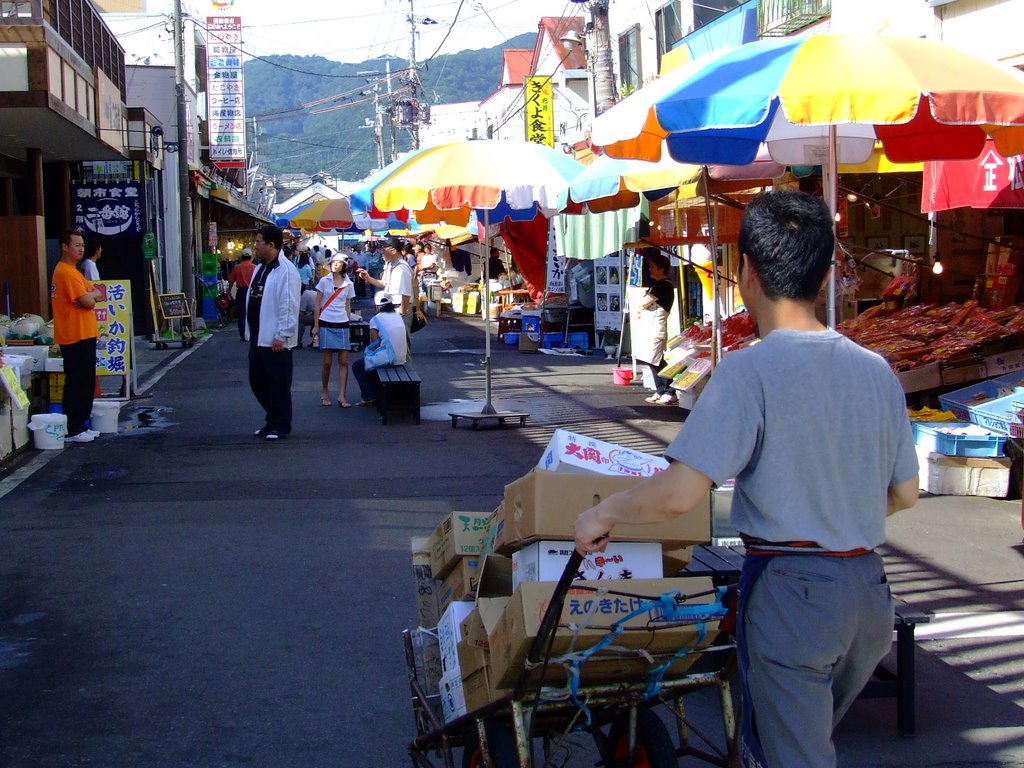
I also threw in some random pictures of the morning market area. I walk through this maze of street vendors everyday to go to school. Apparently people think I'm from Scotland most of the time. Most vendors sell crab both alive and dead. There are also many opportunities to buy live squid. For breakfeast you can eat a large bowl of fish eggs, topped with slices of sashimi (raw fish) for about 6 dollars.

It's festival time here in Hakodate. Starting yesterday the streets are filled with people wearing kimonos, street vendors selling everything from cotton candy and corn dogs to yakitori and donburi mono. Today there is a parade in which everyone does something called the squid dance. I have seen the squid dance, and it looks something like the hokey pokey.
Probably the most humorous thing is seeing the old people getting drunk and dancing. They are lovely.

It looks like I'll also be going back to Sapporo this weekend to visit another friend I missed when I was there over the semester break. Her name is Junko, and is a friend I met in Tokyo about 8 years ago. Being this close and not having the opportunity to meet would feel like such a waste...

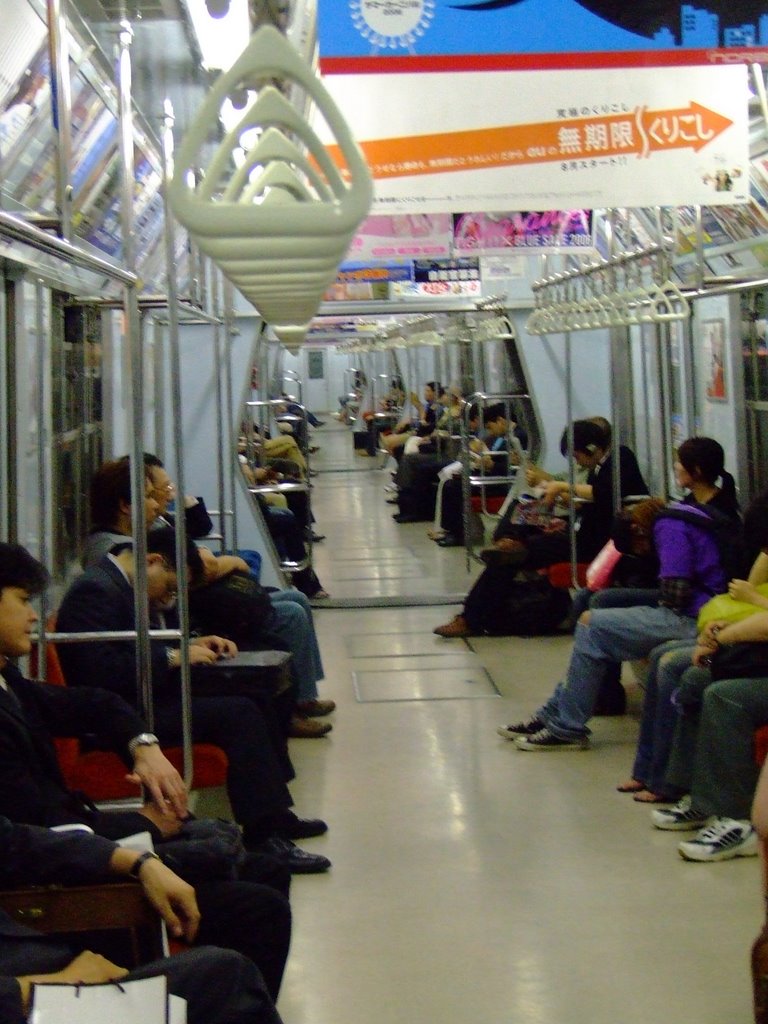
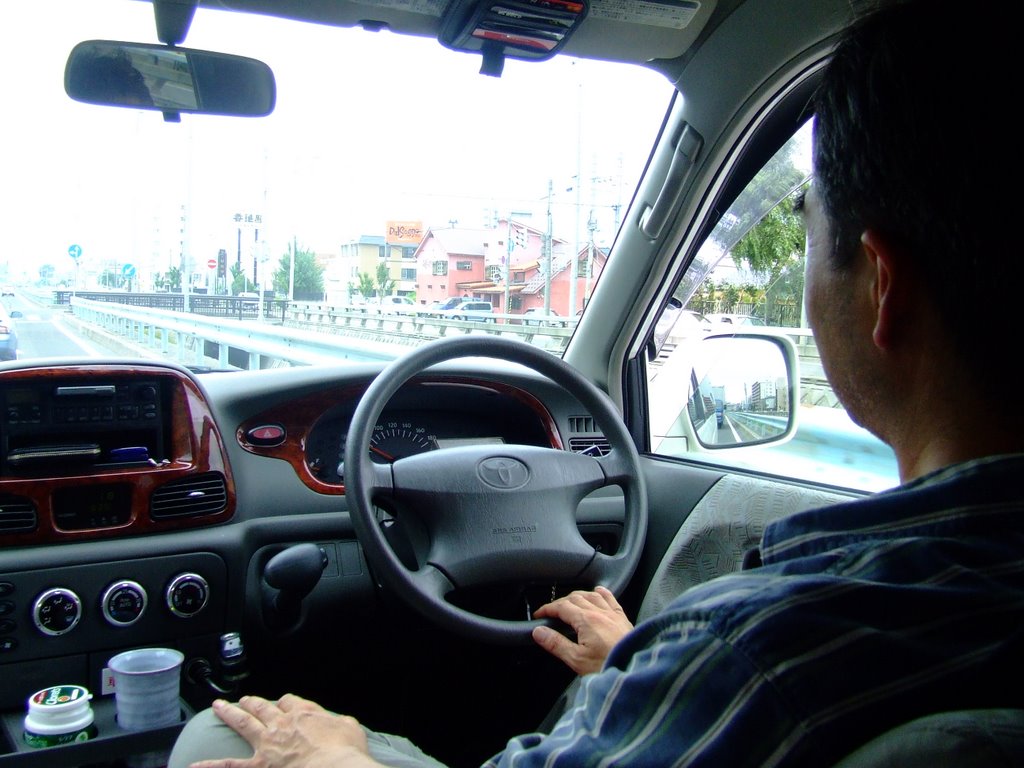
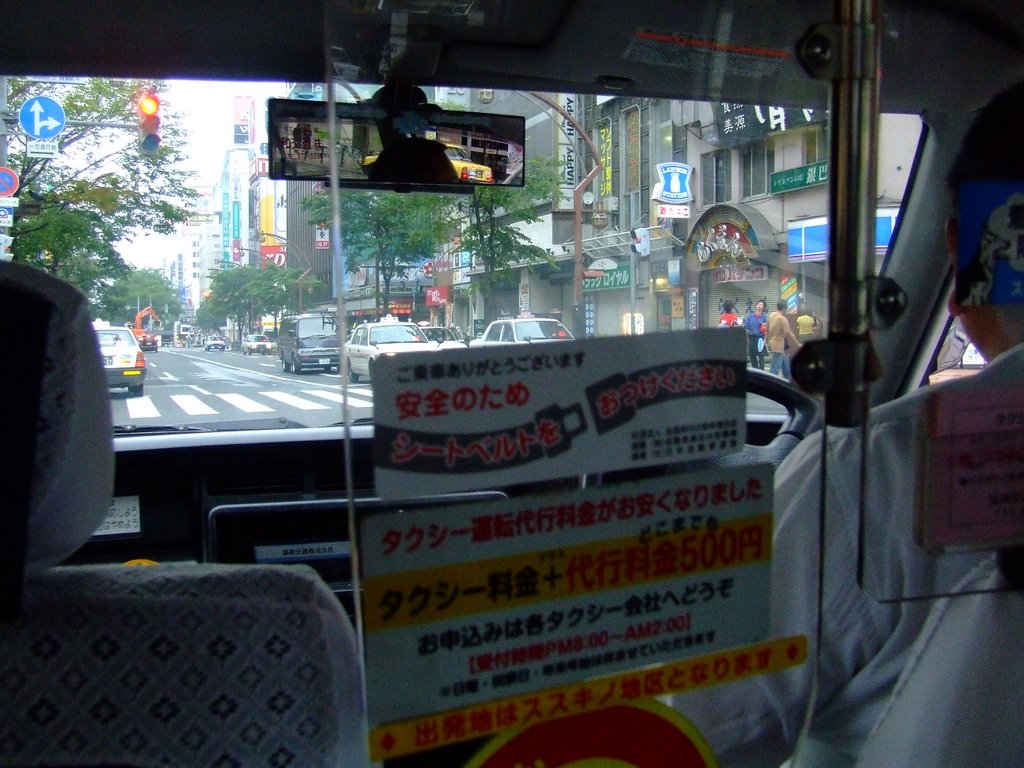
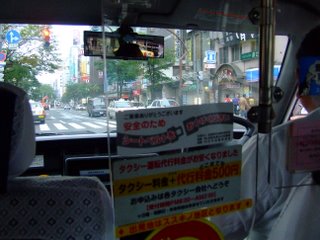
I had a nice experience this morning. I was running a little late to school, so when I got out of the train station, rather than taking the 20 minute walk, I decided to call a taxi. It was a nice experience because it made me realize how much my Japanese has improved since coming here. The conversation I had with the taxi cab driver was rather simple, and as my Pops likes to say, we didn't solve the world's problems, but I understood everything he said and he thought I had been living in Japan for a few years. Mostly he asked me about feeling homesick, and what I'll do about my parents if I end up living in Japan and working. So, mom and dad, what do you think? You want to move to Japan??

Hope you enjoy the pictures ~

Wednesday, July 19, 2006

With only a small bag...

I'm sorry for the long delay in this post. School prevents me from spending as much time on this as I would prefer...

I never thought I would again feel that middle school rush of getting out of school for the summer, and feeling more free than a rain drop falling to the ground. It’s a time when the free time facing you feels so full of some incredible potential that could change your world for ever and there is nothing to pressure the space behind your eyes but deciding what to do. When I finished the last sentence of my semester exam, it was as if a fire sprinkler system went off inside my body spraying droplets of relief in every direction. I was excited.

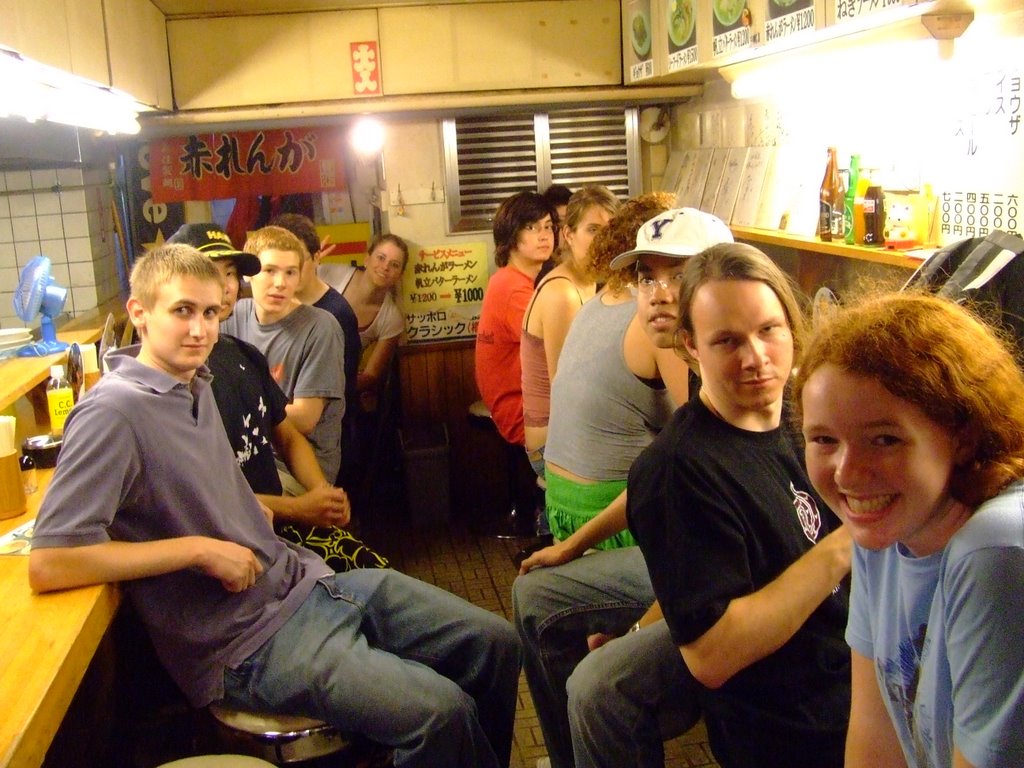
(from back to front, left to right: Susan, Sam, Ali, Jeff, me, Toon)
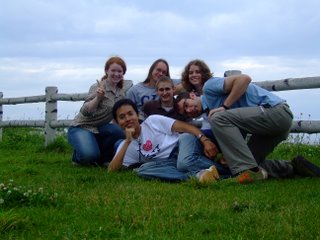


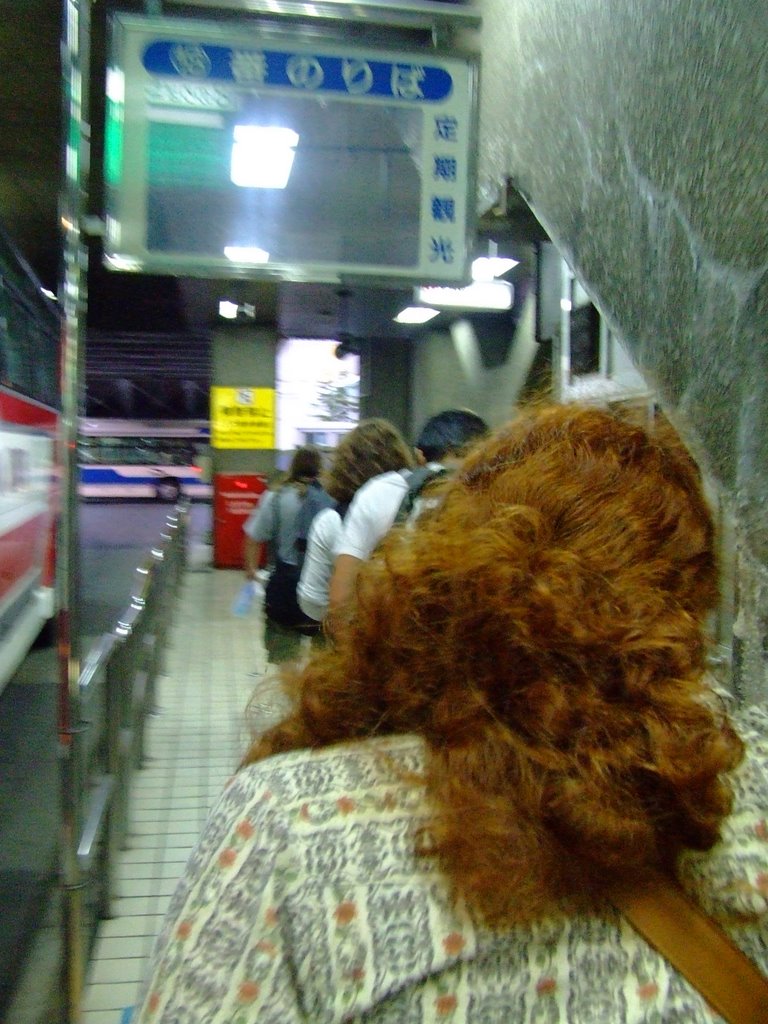
With the small bag I had brought with me that day packed with a change of clothes, Japan lonely planet guide and camera, I left school with a group of 5 other HIF students ands headed to the bus station. Within an hour of finishing the exam, we were on the bus, and as the wheels turned towards Sapporo, the scenery swept the dust away from a mind I then realized had not yet felt the thrill of journey in Japan.

The other travelers were Toon, Sam, Jeff, Susan and Ali.


Toon, whose real name is Bodin Civilize, is from Thailand, but studies at Yale. He is thinking he would like to become an economic theorist, but is still undecided on his major. Toon is the type of person that leaves you with a complicated mixture of tastes on your tongue after sharing time together.

Sam, who I know best in the program because we share the same host family together, is a character straight out of a Russian novel. He carries in most moments a slight tension that generally affects the way he wears his body, and his mannerisms are slightly jolted. He is intelligent and lazy – and often complains about the work load. His long hair, upon first meeting a new Japanese person, invokes a small range of reactions out of them that can be summarized as “you look like a girl.” Sam enjoys the alcohol, and if we were actually in a Russian novel, I have no doubt he would enjoy the vodka granted to him by the good graces of a mightier hand unknown and misunderstood by its characters.
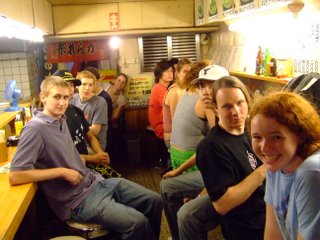




Jeff, like Sam, is from the University of Pennsylvania. He and I are in the same class, and is one of the stronger students in the course. Difficult to see into because walls and uneasiness rise out of the ground like bog gas in a southern Louisiana swamp. He will make an excellent businessman later in life.

Susan is a red-haired, cigar-smoking 19 year-old from Tennessee, and has the accent to prove it. After sharing a few fleeting conversations about Buddhism I see in her the earthly goddess, rooty and rich like dark black soil earthiness in her heart. She knows more than she thinks she does.

Ali, in her early twenties studies at the University of Chicago. Genuinely sweet and kind, she is a nice person to share snacks with and talk about the day.

Not to sound arrogant or like a mr. know it all, but these are the impressions I receive from these people. In no way is it meant to be who they actually are, but just how their sounds, light and energy interact with mine.
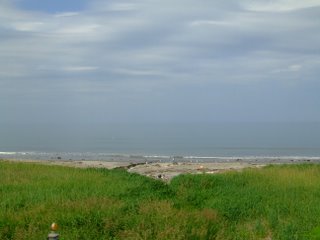

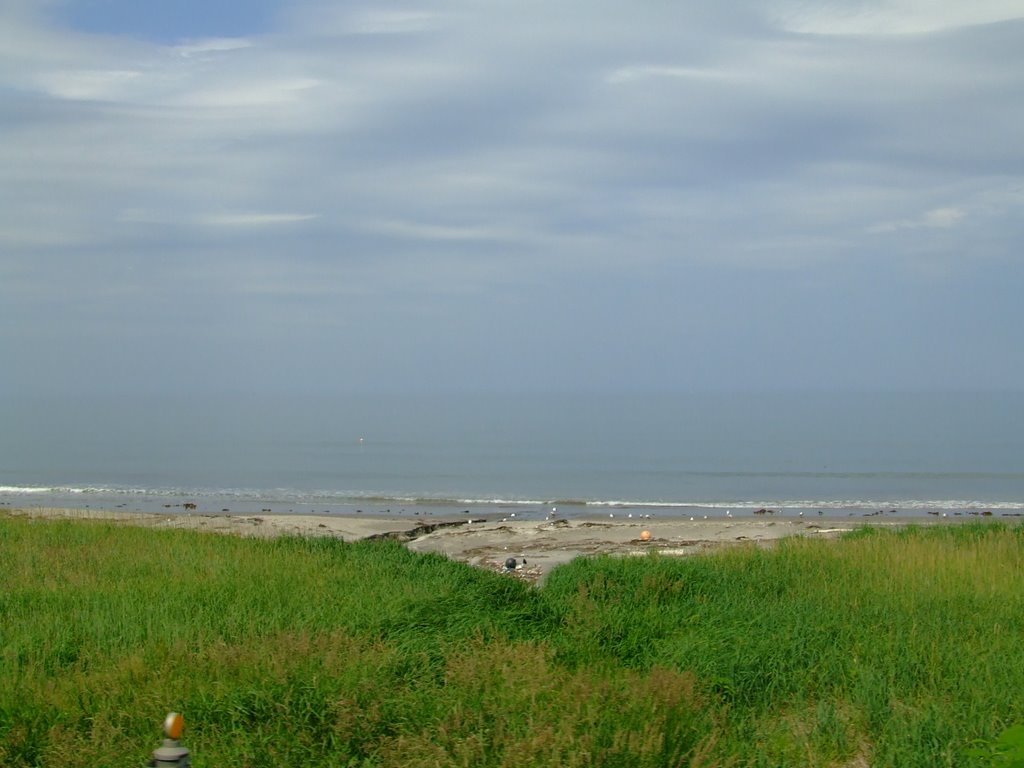
Travelling along the highway, we played hide and seek with the ocean as we would dip beneath hills, and pop out of our hiding place to see the ocean patiently waiting, always there as if to say “shhhh, don’t worry.” It was beautiful.


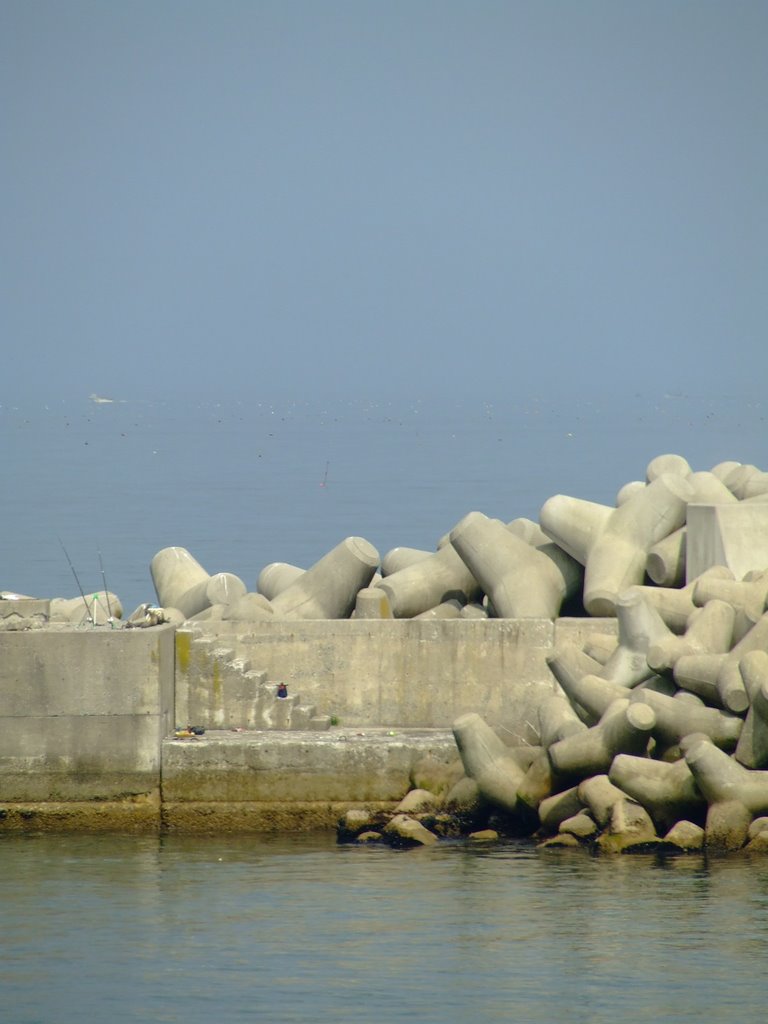
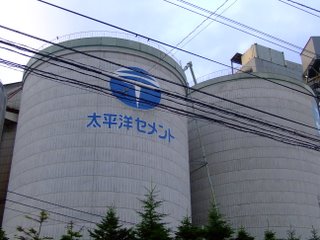
Apparently in Japan there is quite a lot of concrete being made every year. So much so that engineers have thought up creative ways to use it. For example, concrete pylons line the coastline of most of Japan, placed with the said purpose of protecting the coasts from erosion. In a way, I thought it was cute, yet, can’t help but feel the ocean would look the way it was supposed to without them. As they say in Japanese, “it cannot be helped.”

In some moments you feel so close to destiny’s ideal track that you can almost feel the pulse of the heartbeat of the hand of time.

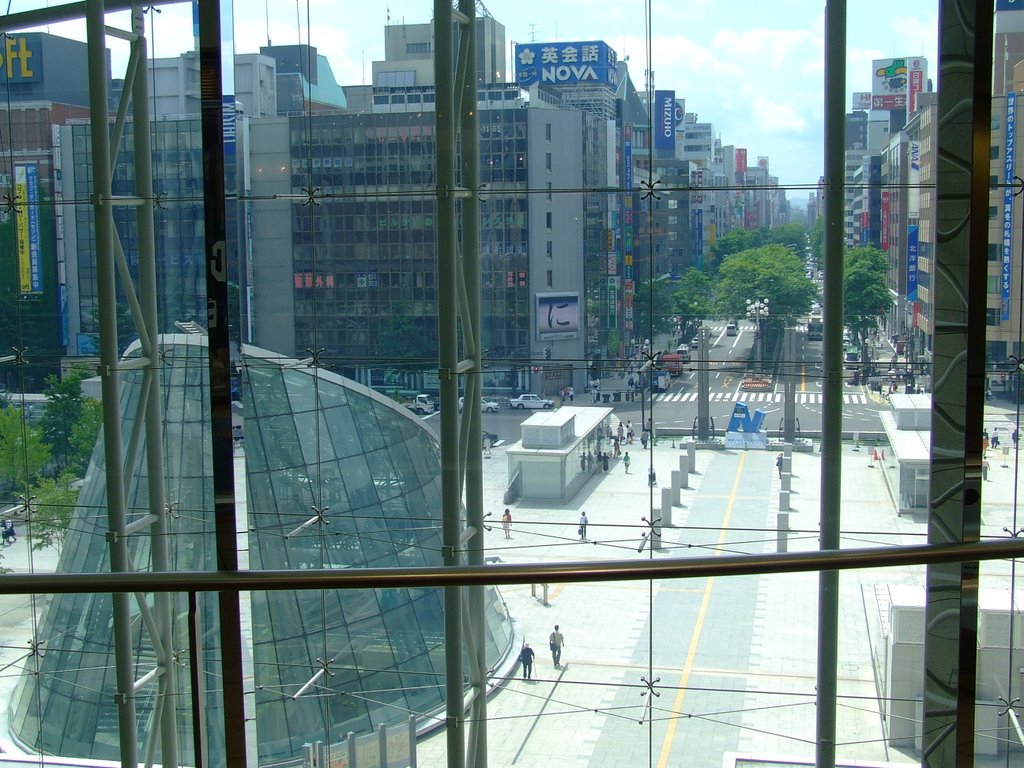
We arrived in Sapporo and quickly thanked the city-planners for designing one of the easiest street systems to navigate. Every block is labeled according to its distance from the city center in terms of North/South and East/West. No matter where you are in the city you know exactly how far you are away from the city center.

At certain key moments in life, people appear that are living on such a different plane of existence than yourself that you call into question nearly every pre-conceived notion you had about life. Meeting Alexandro, 19 year old from Mexico, was like that.

Alexandro had planned his trip to Japan for four years. He decided to come to Japan for 6 months knowing very little of the language, and with the desire to see and experience as much as he could. He had already been in Japan for a month when we met him, and he had just returned from hiking some of the tallest mountains in Hokkaido. He said at one point, when he was climbing the tallest mountain, and he fell off the path and slid on the snow about fifteen meters down the slope of a cliff, catching himself on a tree, “what the hell am I doing here?” I said, I ask myself that everyday.

For some reason, the loudness of one’s being feels amplified in Japan. It’s almost as if the vacuum that surrounds you created by the collected conscious effort of a culture sensitive to “surprising” loud sounds acts like a microphone. At least, I feel that a group of foreigners speaking in Japan tend to do so with about 10 decibels more amplitude than needed.



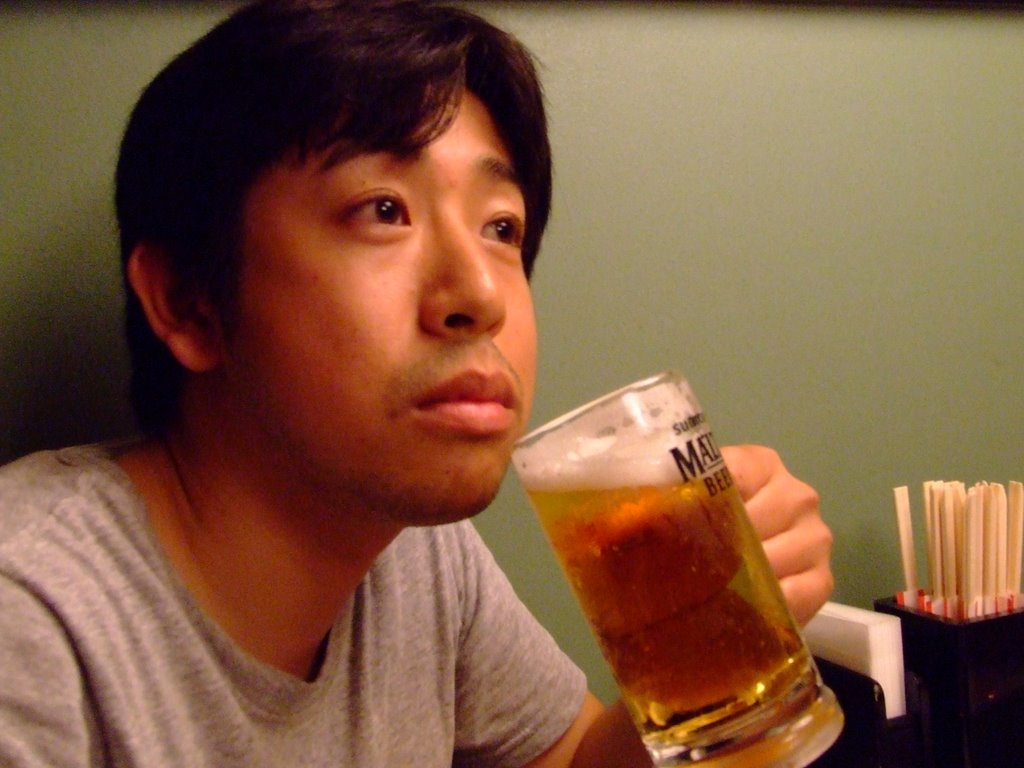
I was able to meet a friend named Takao who I met at KU, but who is originally from Sapporo and living there this summer and working. Takao is the picture of the Japanese guy with the beer, with a slight pensive look. He took us to an Izakaya, which is a Japanese style restaurant where you can usually pay a single price and drink as much alcohol as you want, and sometimes for another fee eat as much as you like. The food is great if you like meat. You can order liver, gizzards, chicken, pork, beef and squid on skewers that are grilled and then dipped into a variety of sauces. They are served super hot and fresh and taste great with beer. It’s funny to me that a year ago, I would not have imagined having this experience.
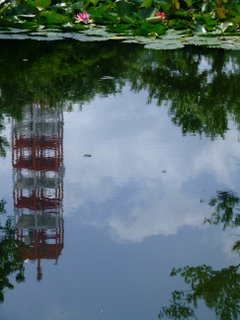
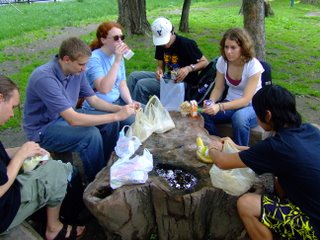
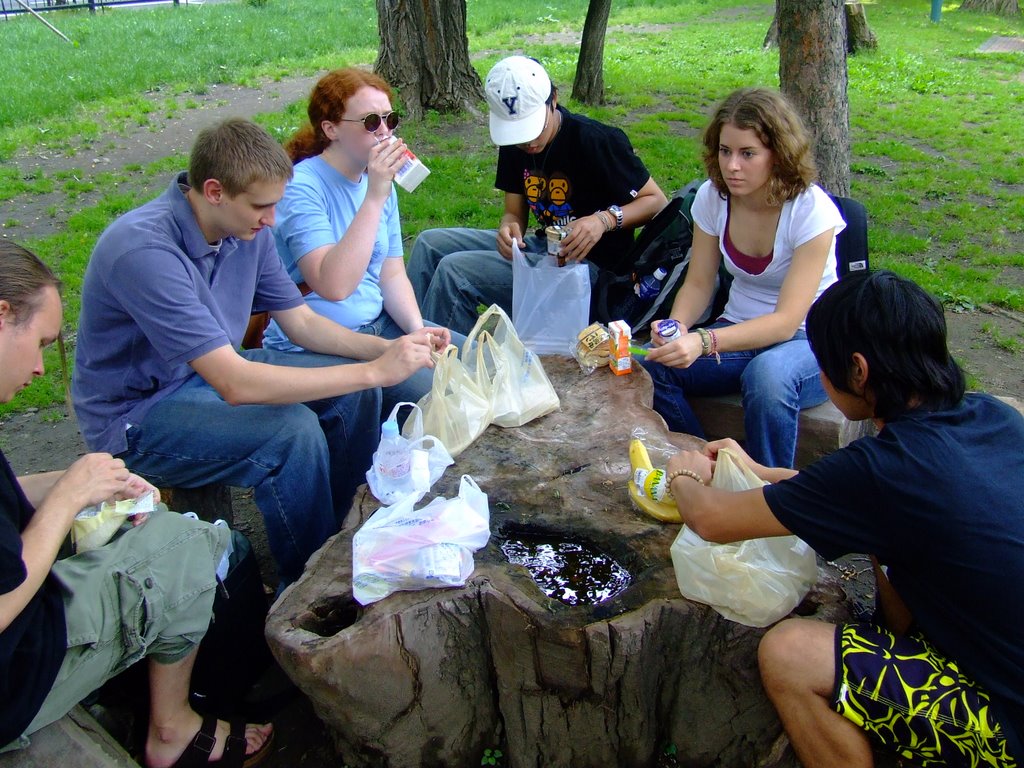
The next day we headed out and had breakfast on an old tree stump in a park, next to a pond with several lotus blossoms. The picture of the reflection of the pond with the radio tower with lotus flowers at the top is meant to be a visual metaphor for the Buddhist path. Often in Buddhism the metaphor of the lotus flower is used to describe the ascending of the spiritual path as one rises, like the lotus flower, above the murky, muddy mess of Samsara (cyclical life). As one extinguishes desires that cause suffering, one is free from those stains or blemishes that cloud or hide one’s Buddha nature. If I were a lotus, I’d be stuck in the mud probably to be used as fertilizer for the next bloom.

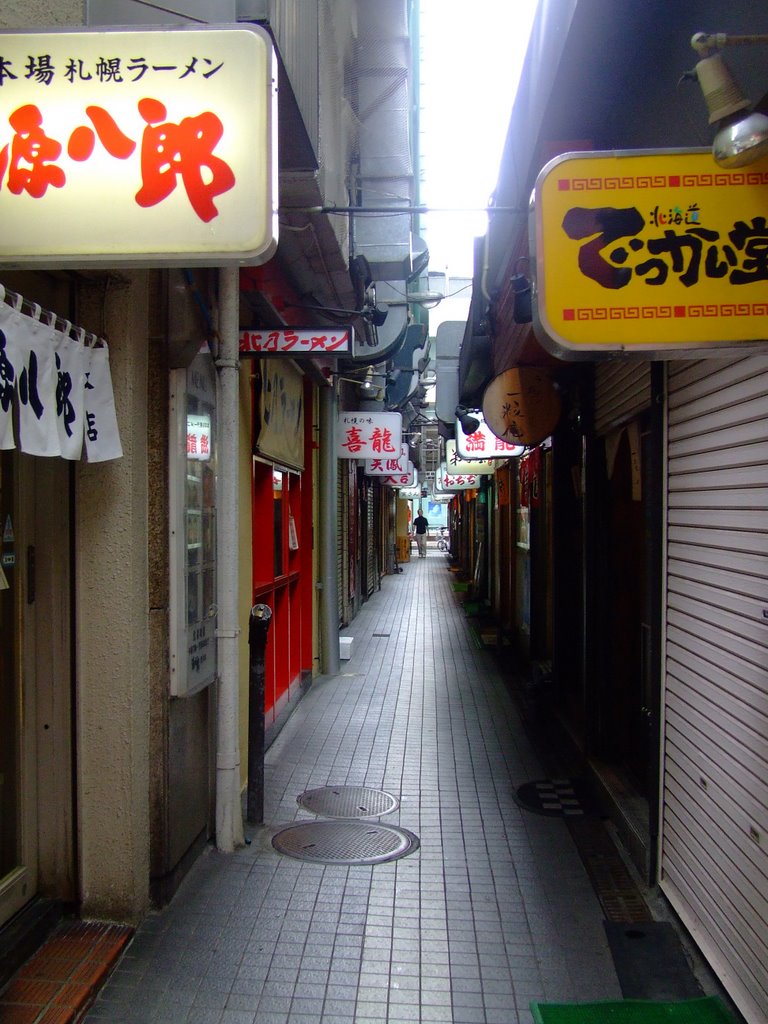
We spent the day combing through Sapporo’s streets, and found the old Ramen alley. Basically, it’s a narrow alley that is nothing but small Ramen shops. If you are thinking Ramen noodles, you’re close – but think about 100 times more delicious and satisfying. Sapporo is famous for its Miso Ramen, which is a miso soup base (miso soup is made from soy bean paste). Miso Ramen is usually spicy, and because the Ramen cook (usually there is only one in a store) makes everything to order, the soup is also steaming hot. It’s hard to say what burns more, the spice or the temperature, but either way part of the fun is slurping the hot noodles, sweating a little and having your nose run. It’s also fairly cheap, which for us, always means good.




I somehow became navigator and we luckily made it to the Hokkaido Museum of Contemporary Art without getting lost. They had a special Buddhist art exhibit that contained Japanized Tibetan Thangkas. Thangkas are Tibetan scroll paintings of various Buddhas, deities, Bodhisatvas, and Buddhist stories or sutras. Unfortunately I couldn’t understand very much of the exhibition because it was all in Japanese…

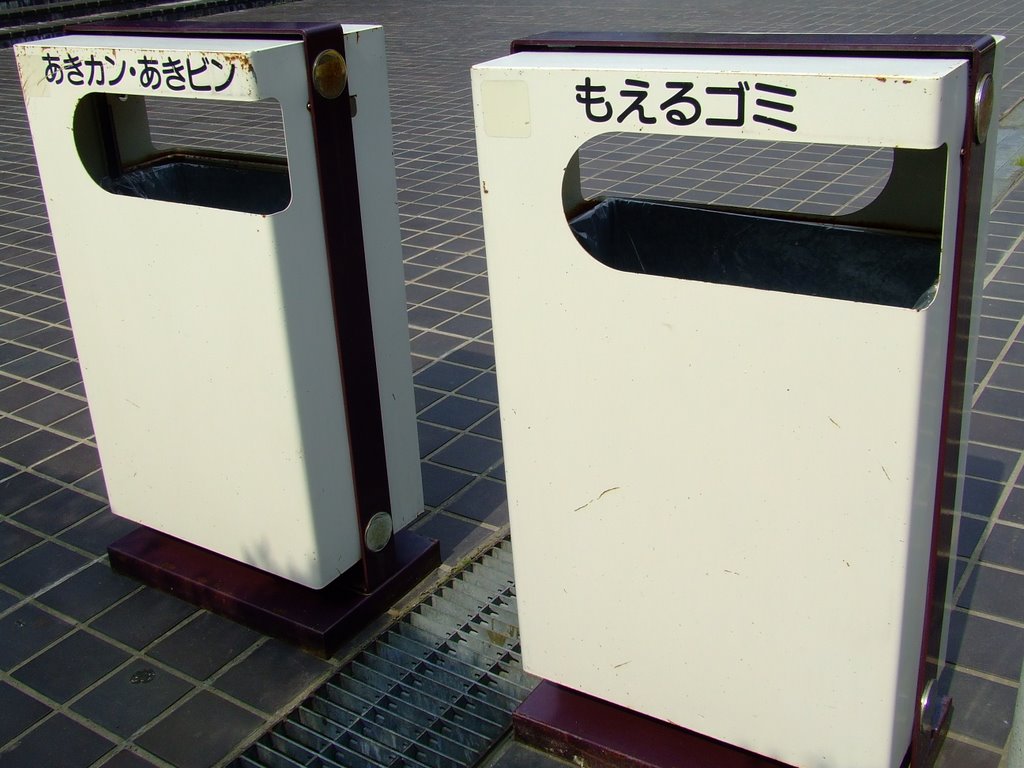
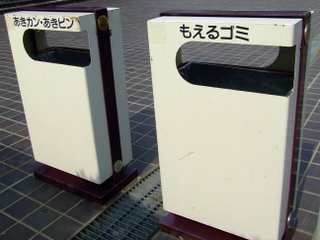
The picture of the trashcans is to show the most simple trashcan set you can find in Japan. Trash is complicated in Japan, for obvious reasons, but all trash can be divided into two categories, burnable waste (some plastics, paper, food scraps, and various oddities of packaging) and non-burnable waste (plastic bottles, cans, glass, metals, batteries, etc.). It is also a bit challenging to find public trashcans, at least here, but you get used to it. In fact I plan my walking routes to and from school sometimes just to throw a plastic bottle away. Oh, and when you throw away gum, or used q-tips, you are supposed to wrap them with a tissue first. I’ve spent some time trying to decipher my host family’s trash schedule. Every city publishes a trash schedule that lists what items will be picked up on what day. For more exotic items, like batteries and old pots and pans, there is a special drop off center. If you don’t properly sort your trash (there are special trash bags for different types of trash) you can get fined. And, you can expect to be audited at least once per year, from what I’ve been told, just to make sure you aren’t sneaking in a plastic drink bottle into the burnable waste.

The picture of the air conditioner units on the side of the building isn’t that aesthetically pleasing I know, but I thought it was an interesting example of something I learned while rummaging through articles about Japanese building codes. Because property tax is based upon the internal area of a building, essential things, like air conditioners, that can be placed on the outside of the building usually are. The resulting product is like the picture. One of the most often cited complaints about Japanese architecture is its lack of appreciation for maintaining a uniform aesthetic – due to the lack of building codes and regulations that stipulate what can be attached to the ceiling and sides of buildings. Of course, special buildings, like museums and government offices are usually beautiful works of art…but the average apartment building is less than appetizing. Yet it still has its own charm, and the interplay of the lines of the ducts, the rows and symmetry created, and the rust stains, at least for me, help make Japan feel like a homier place.

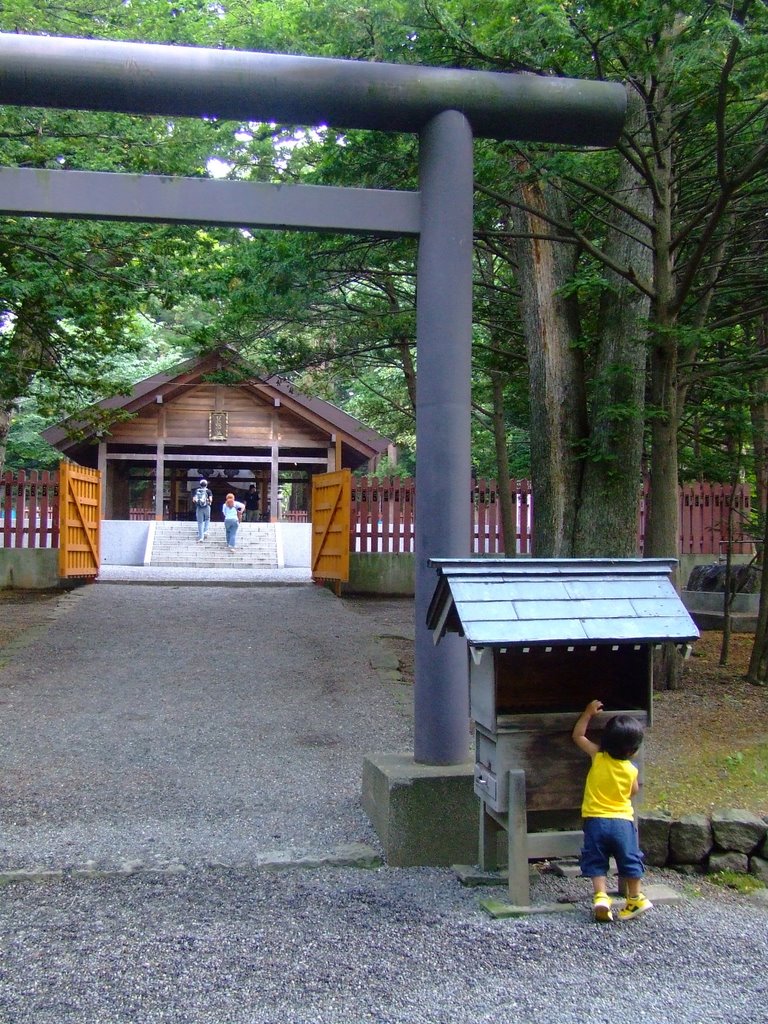
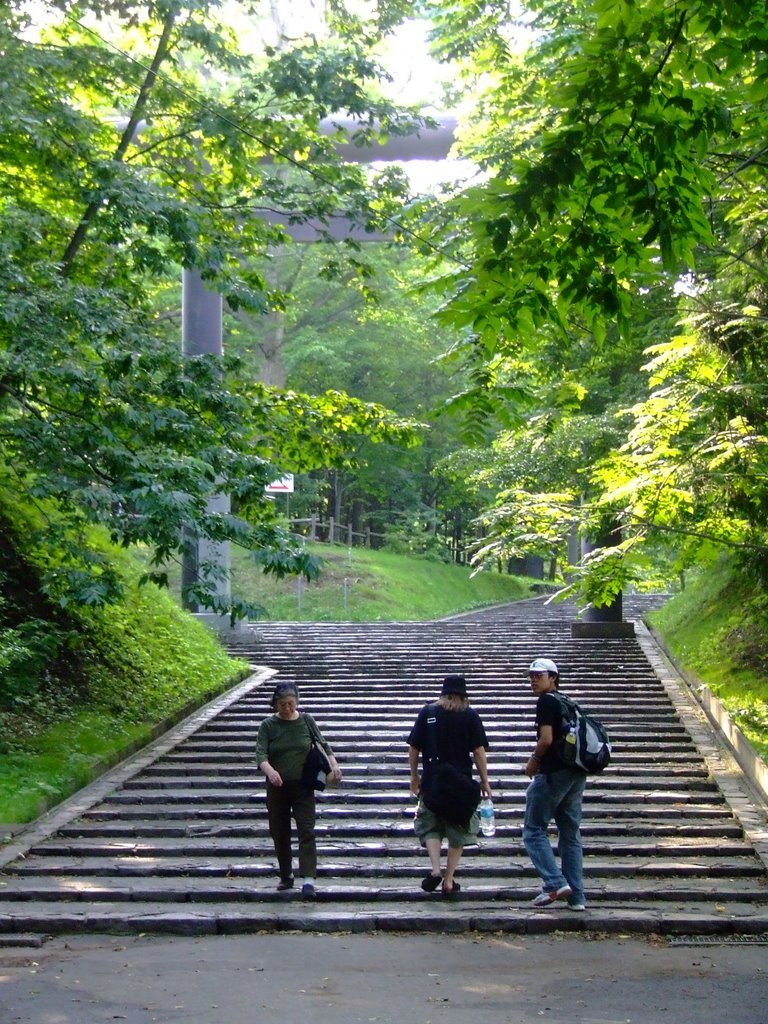
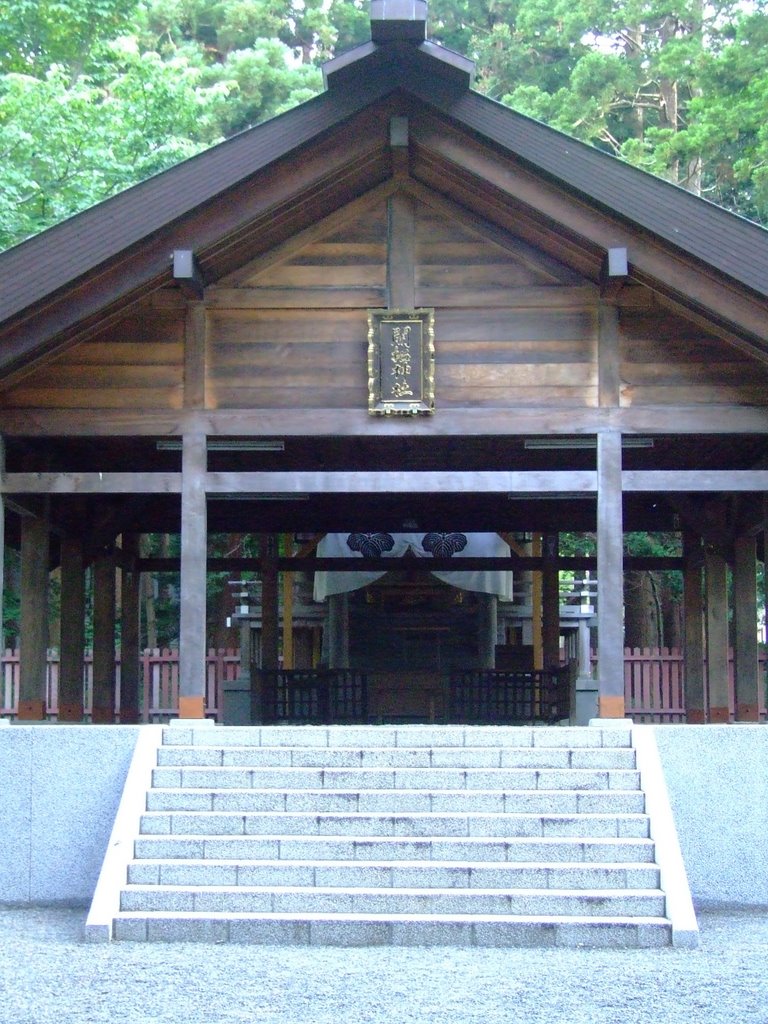
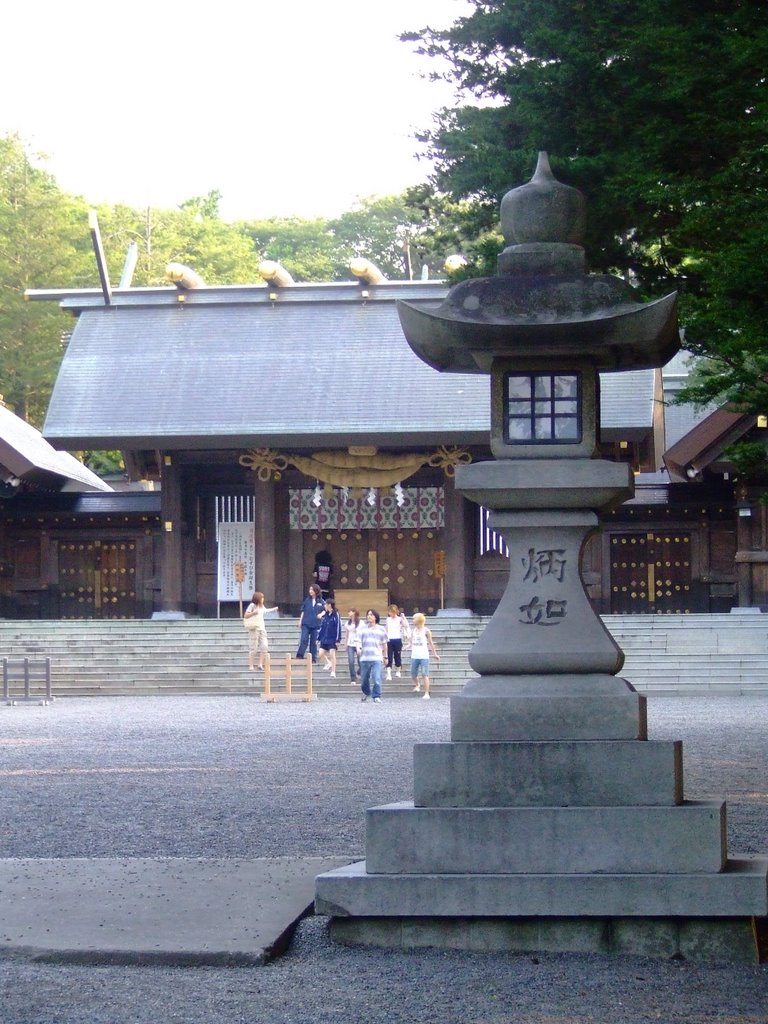
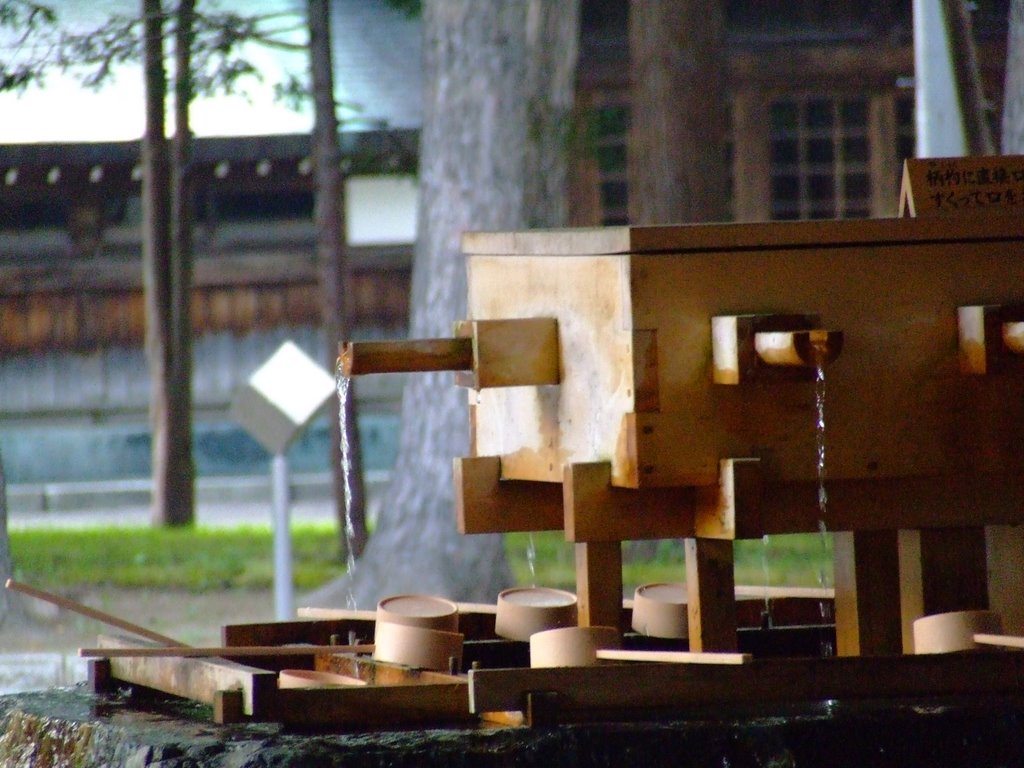
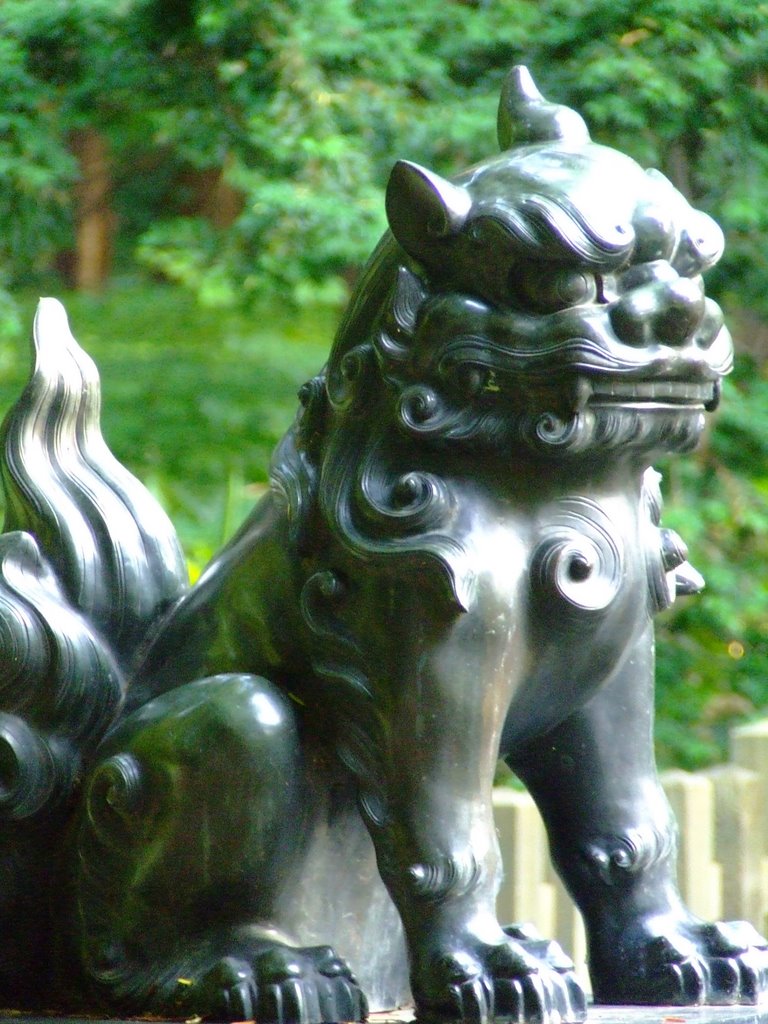
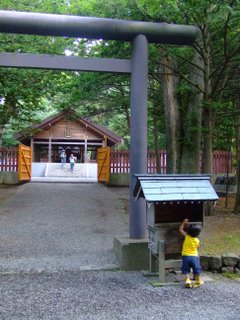
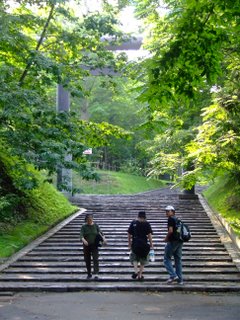
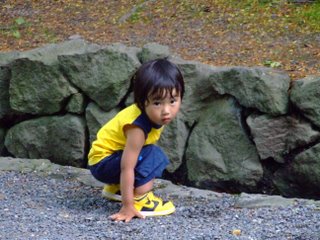
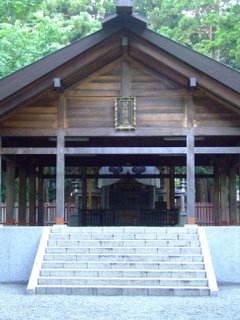
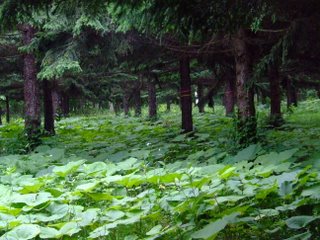
Earlier in the day I read in my Lonely Planet Guide about a Shinto Shrine that was described as being surrounded by a forest so thick you forget that you are in a city. So after the art museum, Toon, Sam, Susan and I set off to find it. It turned out to be a great find. There were actually several smaller Shinto Shrines along the road to the main Shrine, and all of this was located in a huge city park. We walked about 45 minutes and covered only a small corner of the park. I finally experienced a moment in Japan in which I felt how incredibly universal the experience of being human really is. Kids playing soccer on one side, and a group of mid twenties friends playing guitar and drinking beer held a scene on the other side of the path. I think mostly, just to be around nature again with the soft feel of the raw earth under my feet, was exactly what I needed.

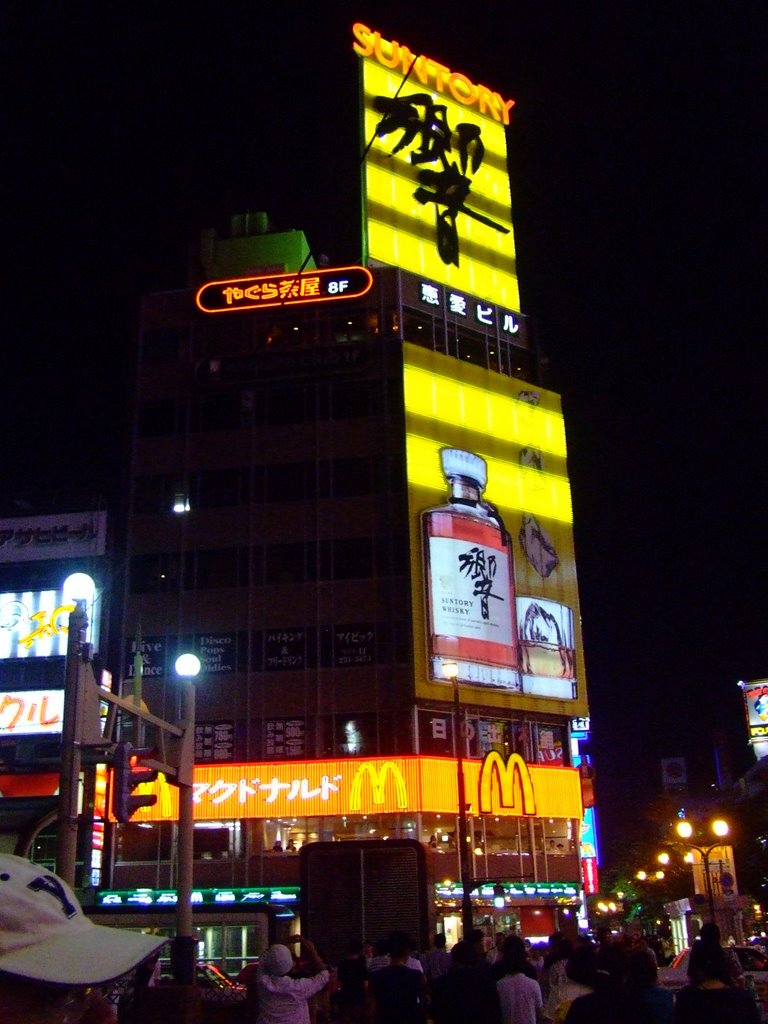
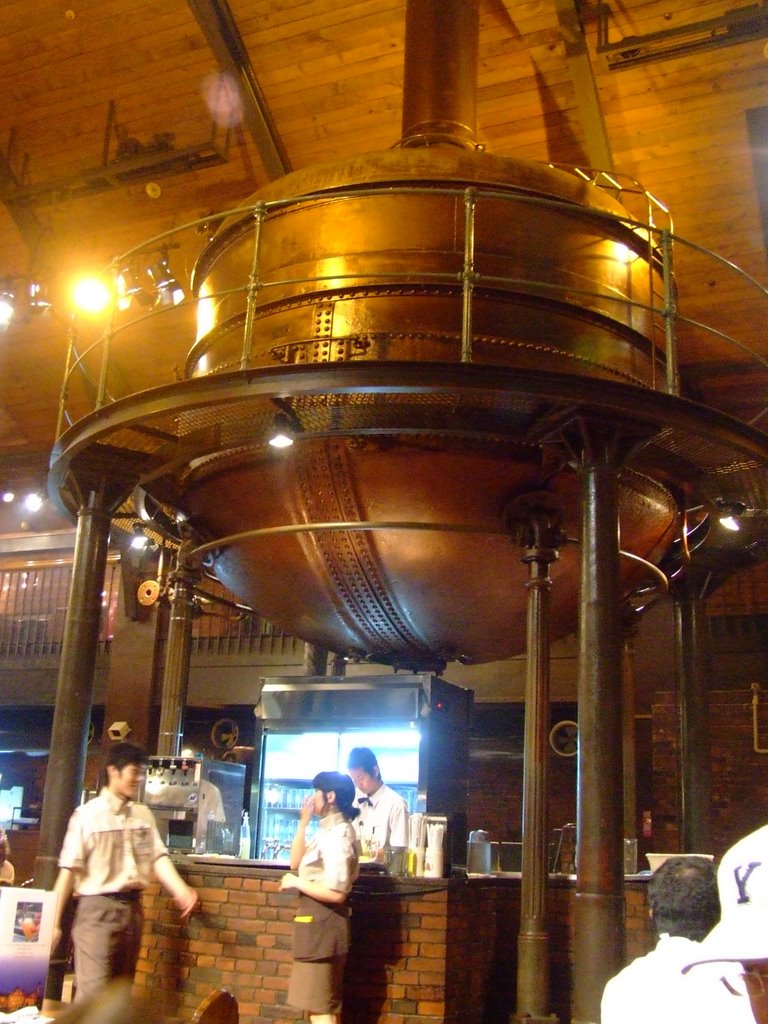
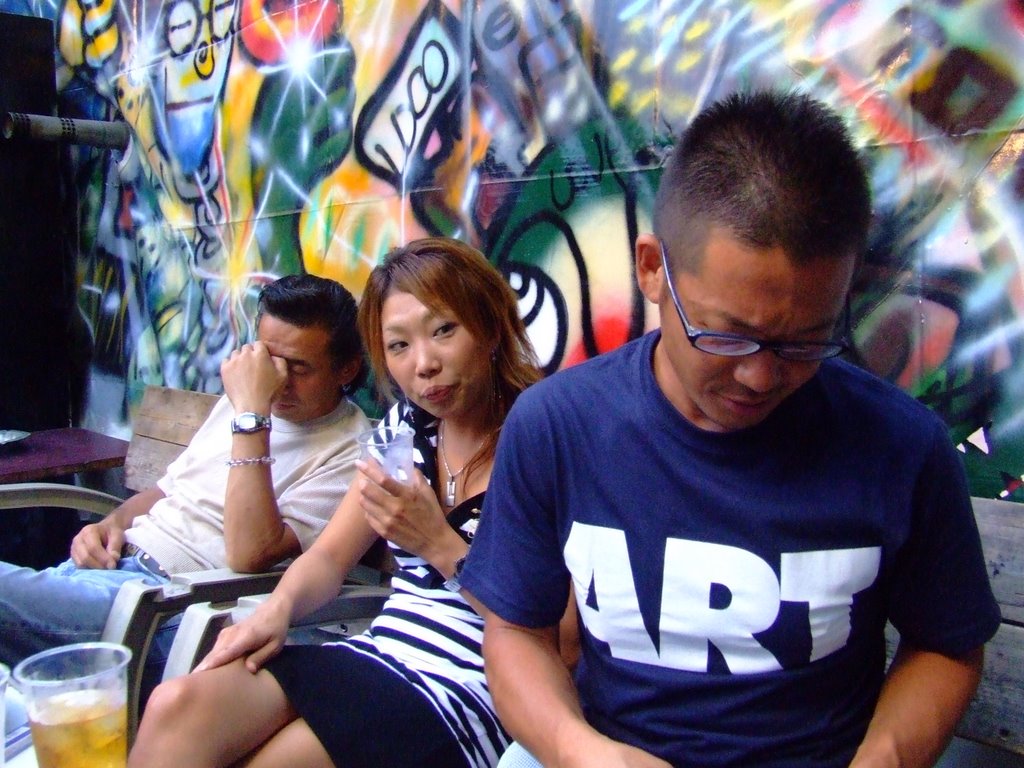
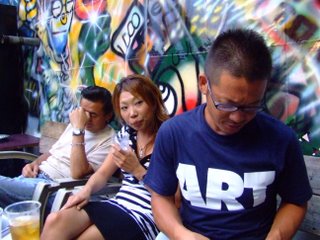
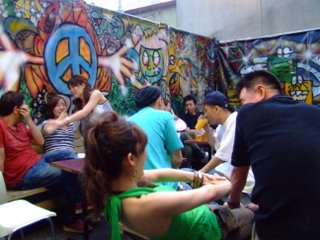
After one-by-one saying our prayers and communing with the local Kami-samas (Gods in Shintoism) we decided we couldn’t miss going to the Sapporo Beer factory. It was glorious. The shots of the graffiti and Japanese people, and night time shots, are from an area in Sapporo called Susukino. It is the nightlife hotspot. We found a bar named “Rad” that is the foreigner hangout in Sapporo, and was the first time here I had seen a sizeable number of foreigners in Japan not associated with this program. I was surprised at how many people are still out and returning home at 5 am when the last of the bars close.

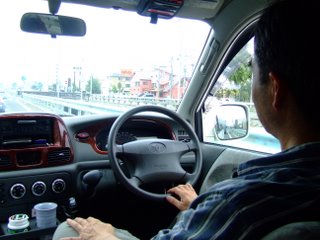
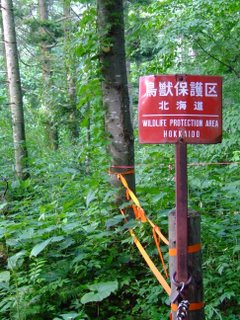
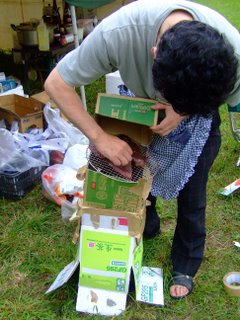
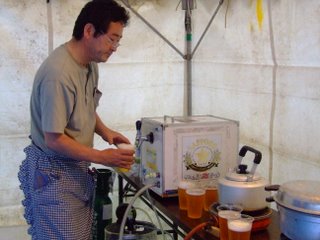
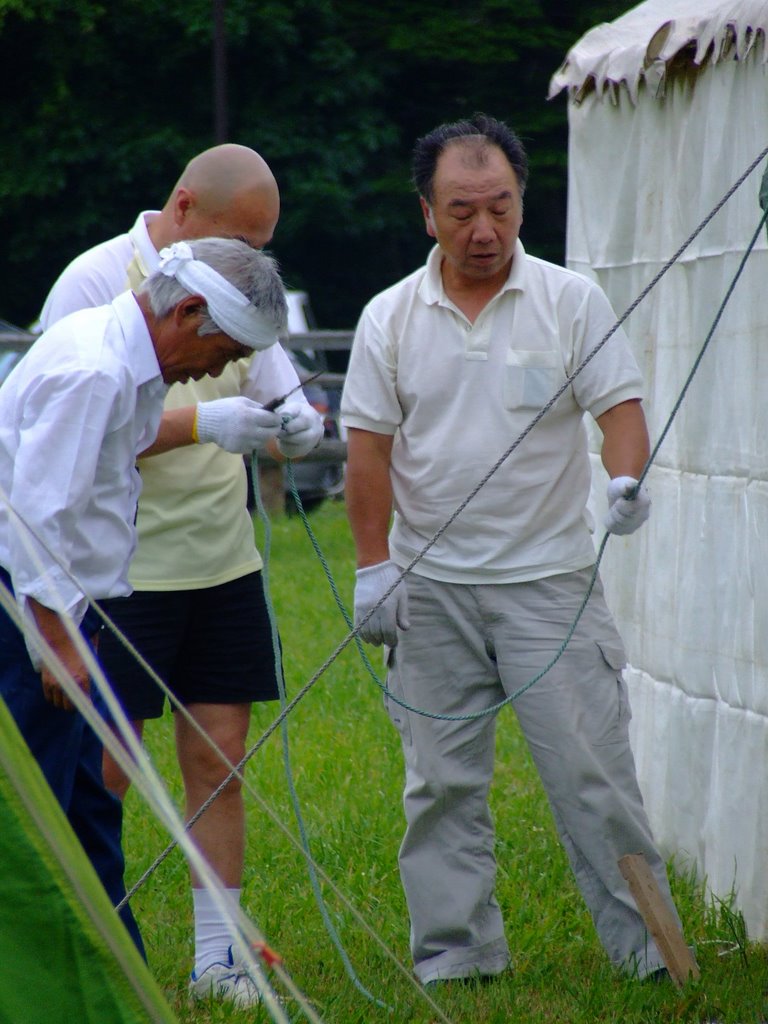
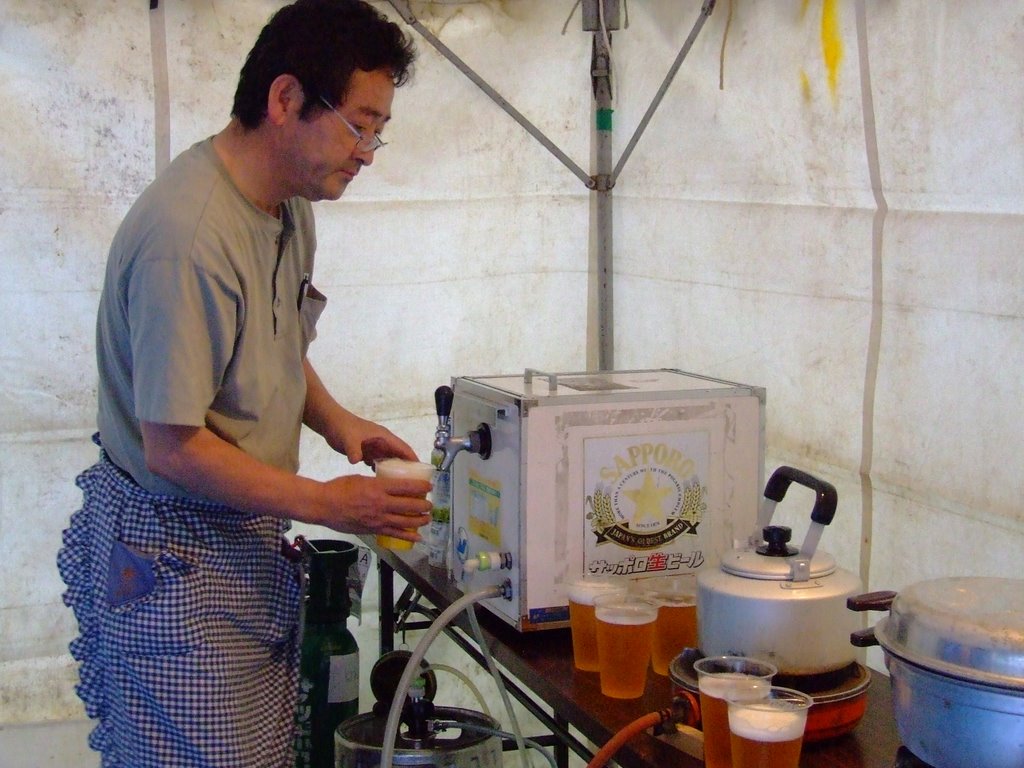
The next day, my host father picked Sam and me up and took us to a town about an hour and a half drive outside of Sapporo. From there we met other members of the Tenrikyo church, loaded up coolers of food, camping gear, etc and headed off to a wilderness protection area. I never imagined I would camp in Japan. Someone brought a keg of Sapporo beer, and after the tents were all set up and the opening speeches were said, everyone picked their chair for the evening and drank, ate lots of grilled and smoked food, and relaxed. Sam and I tried our best to keep our Japanese conversation as interesting as possible.

On Sunday we returned to Hokoto-shi and I went to the Sento, or public bath house. I’m going to try to take a picture of the inside if I ever am there when no else is around because it is a wonderful wonderful place. There is usually one large room, and several small stalls to wash your body. After you’ve had a thorough scrubbing, you can get into either a Jacuzzi or a large bath. The water is about 100 or more degrees, but feels amazing. The feeling of first walking out of the sento in the fresh open air is the cleanest feeling in the world.
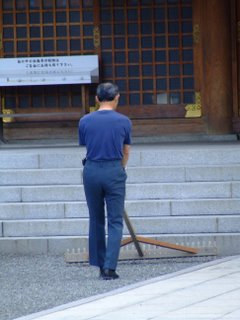
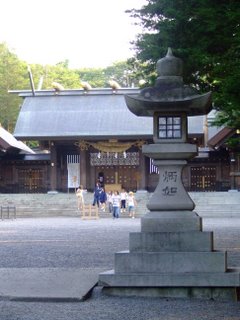
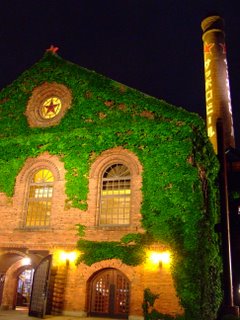
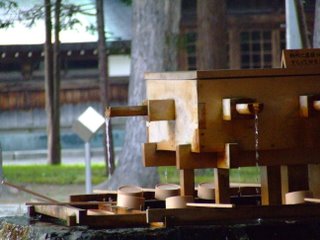
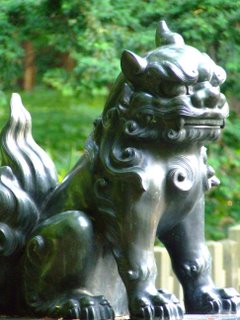
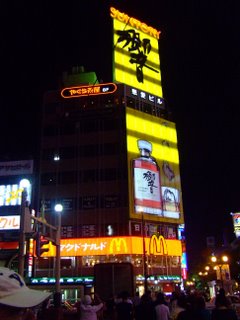
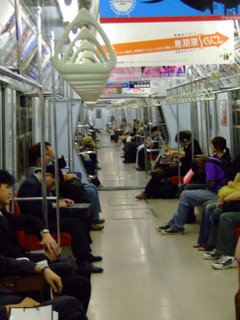
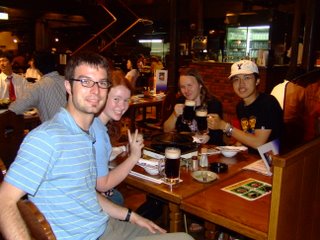

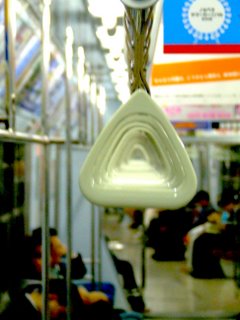


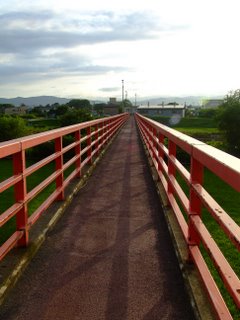
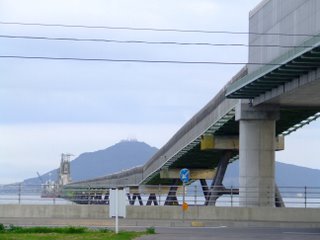
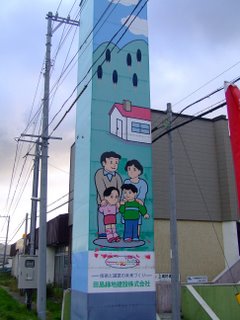
The last few pictures are pictures of the area around my house. This area is usually super quiet, and reminds me of small town Iowa, but Japanese style. I can’t help but think about my brother when I’m walking around the streets, and wishing I could share that with him (because we’ve spent many a day walking around in small town Iowa).

The break ended just about as quickly as it started, and classes did a power take-off on the first day. This is the second week of the semester, but I feel like it’s been a good month since the break. But, my Japanese is slowly improving bit by bit, and hopefully before the end of this program I’ll be able to turn in a page of homework without having a majority of it covered in red ink…one can learn a lot from a picky teacher.




Wednesday, July 12, 2006

Naka Yasumi (Semester Break)


(electronic dictionary = life saver [especially at 2 am and you just want to finish your homework and go to bed])

Everyone here is saying they thought they were going to lose weight when they came to Japan. While you can eat very healthy here if you want, it's not that easy. Most affordable restaurants serve either Ramen noodles or some type of curry, which is about the equivalent of a liquified fast food meal on rice. It's delicious, but I don't think your heart is supposed to hurt after you eat something, you know? Just joking, but at times the food selection here can feel surprisingly limited - most likely because we just don't know what is actually going on with the food situation here. The picture is of a meal bought at a combini store. A small cup of miso soup, rice, deep fried shrimp, and the true source of power and inspiration for a nation of 120 million people: curry.

The other night my host father's younger brother, two friends, and the host father's grandparents came to visit for a few days. The house now has 12 people living in it. It's really great actually - so far every night the adults sit in the kitchen and make alot of food, drink alot of beer and sake, and laugh and laugh and laugh...Last night I hung around and tried speaking with a guy named Toshige San. The first time I met him he was wearing a blonde wig. He is always making jokes and knows how to make anyone laugh. He is also very good at calligraphy.

The pictures are of the front of the house, and the one of the spider is a big spider that has taken over a section of the backyard.


One thing I often heard in my Japanese classes at KU is that Japanese has no cuss words. haha.

Tashige San has been teaching me many very colorful phrases in Japanese. Well, they are actually pretty tame compared to American standards, but it still never ceases to make the host family laugh when Sam and I say one of the words. Of course they are also adamant about telling us several times that we shouldn't use those words in public. Actually it's perfectly acceptable to use these words when speaking about yourself, but direct, confrontational speech is usually avoided in Japanese culture. That's not to say it doesn't exist because it certainly does, but usually people are a little more tactful with their insults.


The kids in the family like to play video games. They also like bringing their friends home after school. Then the friends try to talk with us in super fast Japanese, and when we say something, their eyes get really big and they run around and laugh and yell. As far as I can tell, that is the most common reaction the foreign students here receive from elementary school kids when we say something to them in Japanese. It makes your heart warm up, and feel thankful to see such a lovely display of pure innocent curiosity.


Last night, someone had the idea that Toshige San should write Sam and my name in Kanji (Chinese characters). That created a family unified effort to take the sounds of our names, and try to match them up with kanji of the same sounds that when put together, have a desirable meaning. Once again, the electronic dictionary pulled through. My name in Kanji, at least that picked by Toshige San, means I am a world traveller.
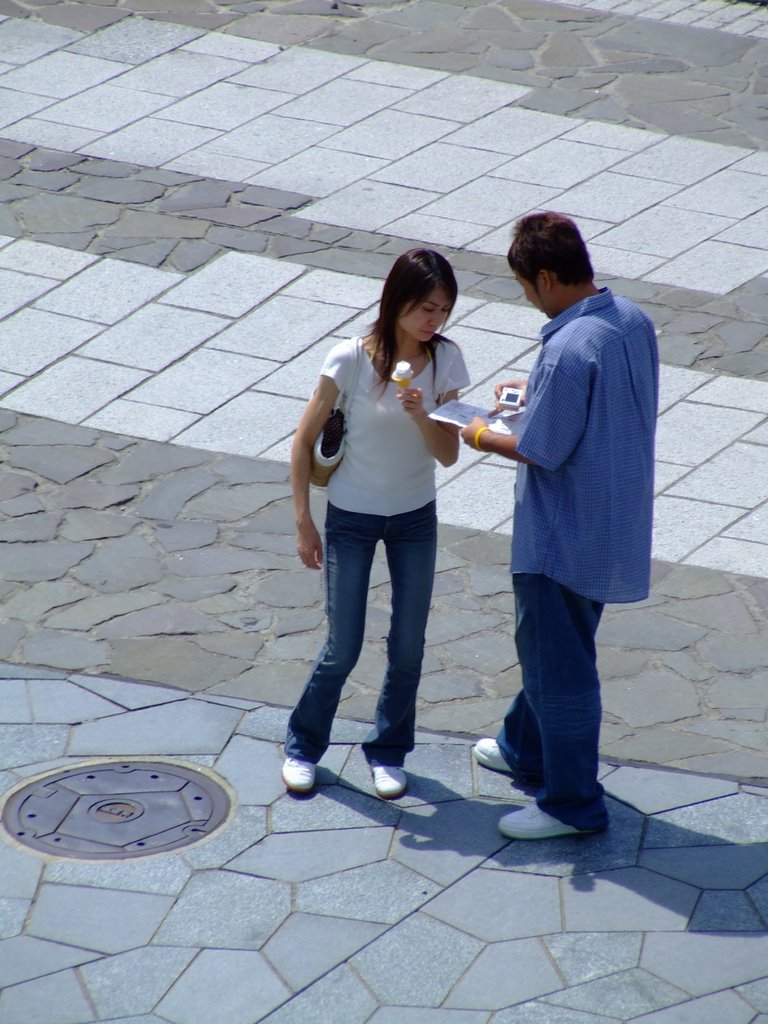


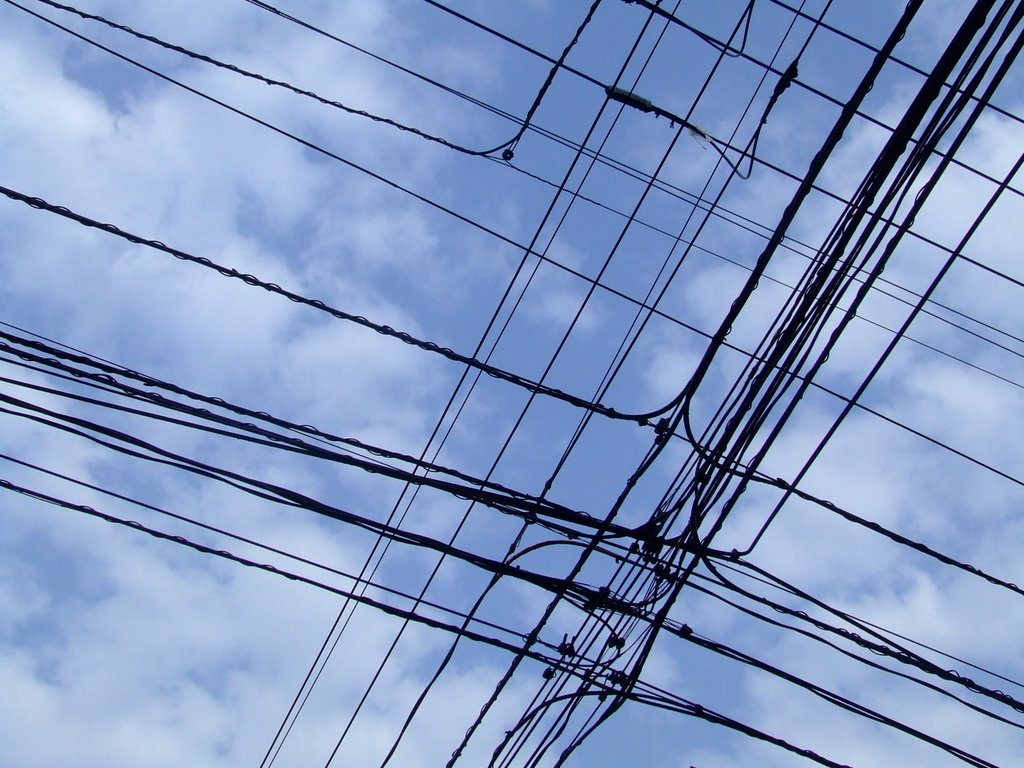
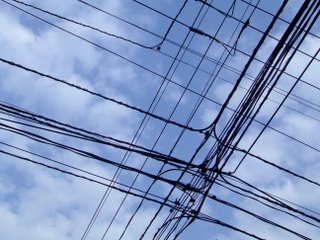
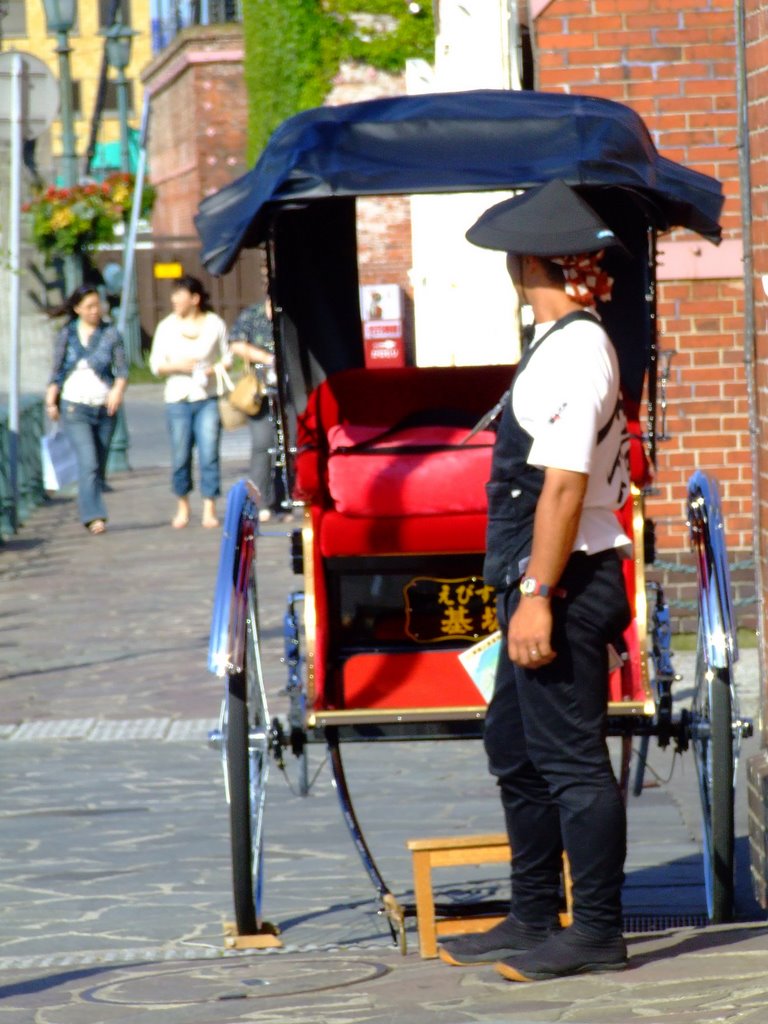
There have been some very interesting things written about power lines in Japan, but I'll save that for another time.

Oh, I put up a picture of the Japanese dictionaries written by Dr. Makino (see the previous post). It also shows my new haircut. My hair became long enough to donate it to lochs for love, so I thought why not - getting a hair cut in a foreign country in a foreign language is a fun time.
So tomorrow is the end of the first semester of this program. We've covered five chapters in four weeks. That's the same amount of material a Japanese class at KU covers in a semester. Tomorrow we have a three hour exam. I am about ready to collapse on my computer right now my brain and body are so tired...but exactly one hour after the exam ends, a group of five students and I will be a bus heading to Sapporo for a few days. Pictures to come...
Tuesday, July 04, 2006

Aaa, sou desu ka.

That is my favorite, and most commonly used, Japanese phrase. Its has many subtle meanings depending on the context, but basically means "I see." It carries with it an exceptionally large emotional understanding that can either reinforce the speaker's position, or be used to politely distance yourself away from the speaker. For that reason, it can be challenging to understand what is actually meant when a person says "sou desu ka," and is a relatively safe expression to use in a variety of situations.
"Nihongo Dake" rule = you can only speak Japanese.


The language school offers quite a few Japanese culture classes, like Japanese sweets making or the tea ceremony - and this is a picture of the nearby middle school's tea ceremony club who taught us how to do a tea ceremony.


Today we heard a lecture by Dr. Seiichi Makino who is a Japanese language and culture professor at Princeton. He wrote the Dictionary of Elementary Japanese Grammar and the Dictionary of Intermediate Japanese Grammar, and edited the Japanese text book we use at KU. In other words, he is an exceptionally well known figure in the Japanese language teaching world, and is a highly respected cultural anthropologist. In Japanese culture and language a well known concept is "uchi/soto" or "inside/outside" relations. How one sees oneself in relation to other people and objects significantly influences the way one


speaks, acts and behaves around those people or objects. For example, one's home is called "uchi" in Japanese - which refers to one's internal core. It should be a safe place and where the restraints of acting and speaking politely in the external world or "soto" breakdown. People inside the family unit share a common uchi, but friends build a feeling of uchi together, as well as coworkers who go drinking after work. Because the Japanese language is a hierarchical language with several levels of politeness, understanding one's place in the relationship with another person, and where one falls in the "uchi/soto" view of reality is critical for correctly navigating the complexities of ever changing Japanese relations and social situations.


For example, when two similar aged people meet for the first time, usually they will speak in polite speech out of a feeling that the other person is in one's "soto" world. Over time when the familiarity and trust increases, the relationship creates a shared sense of "uchi" or closeness. At that point the speaking style switches from polite to casual. This is a relatively simple example of "uchi/soto" implications on speech and behavior in Japanese society - and is a source of never ending frustration for students like me.


I couldn't have asked for a better homestay experience. My host family are very kind and flexible people. The father works for a religious organization called "Tenrikyo" and is a type of Shintoism. In the house is a "shinden" which is a temple room - and there are three shrines for three different "kami" (gods). Everyday about 4 times a day the host mom and dad perform a religious ceremony, and members of the church come to the shinden.


So it is not very unusual to walk into the house and hear them performing Gagaku (Japanese court music from 600 years ago) and singing songs of praise to the Father Kami. The religion is very peaceful and believes that everything comes from the same God, and so everyone are brothers and sisters. The purpose of life is to live a joyous life. When one's path falls away or differs from what God has in mind for us we may experience sickness or some other type of experience that helps draw us back toward our true purpose in this life.


The host mom is very very kind and puts up with me and the other student staying with the host family named Sam. There are three boys, Haru, Naru and Teru - who all play baseball, and as far as I can tell, are probably some of the best behaved young boys I've ever seen. Haru is the oldest and doesn't like to study much, so the family is always joking that he won't get into a good highschool. In Japan you have to test into highschool.


(a sample dinner)


A couple weekends ago the school took us to a nature park called Oonuma. While the Japanese version of natural parks is different than those in the US - it can be said Japan is a country of awe inspiring natural beauty. The weekend was organized to help the new students get to know each other better - and after buying out all the alcohol from the hotel's vending machines and renting a Karaoke room - I'm pretty sure we all got to know each other a little bit better. The hotel also had an onsen - which is a natural spring hot water bath. It functions as a public bath and is an interesting experience in Japanese culture to share the act of bathing together, walking around naked and soaking in a super super hot bathtub. These pictures are from Oonuma.


Another weekend Sam and I were picked up by Sakaruya San, another exchange student's host mom. She took us to a Buddhist church of some kind I couldn't figure out, and we listened to a two hour lecture on environmental issues in Japanese. The only thing I could really understand was when the speaker was talking about how much energy could be saved if Americans would carpool more - and also Japanese people. After the lecture the younger people at the church held a barbeque and had my first taste of Hakodate squid. Hakodate is famous for its squid - and there are hundreds of squid manhole covers dotted around the streets in this city. You can also try squid flavored ice cream here - which is actually just like really sweet cream.


School keeps me busy - everyday about 4 or 5 hours of homework. By the end of the week my mind feels like its been through a food processor and is a big mish mashy gloop of incoherent Japanese particles and kanji radicals. I'm enjoying it.

I hope you'll enjoy the rest of the pictures. Most of these are taken around the school. Vending machines are everywhere here, and the one on the right is my favorite - it serves some of the best hot chocolate I've ever tasted.


It's time to study....jaa ne.

Monday, July 03, 2006

Second time...


At this internet cafe you have to use one of their computers, and with everything in Japanese, I apparently clicked on the wrong button and deleted my post...so, I`ll try this again.

Unfortunately though I don`t have much time left, and I`ll have to wait until tomorrow...

But this picture is of the street where my school is - it`s called Hachiman-Zaka and is apparantely very famous for its view of the harbor.


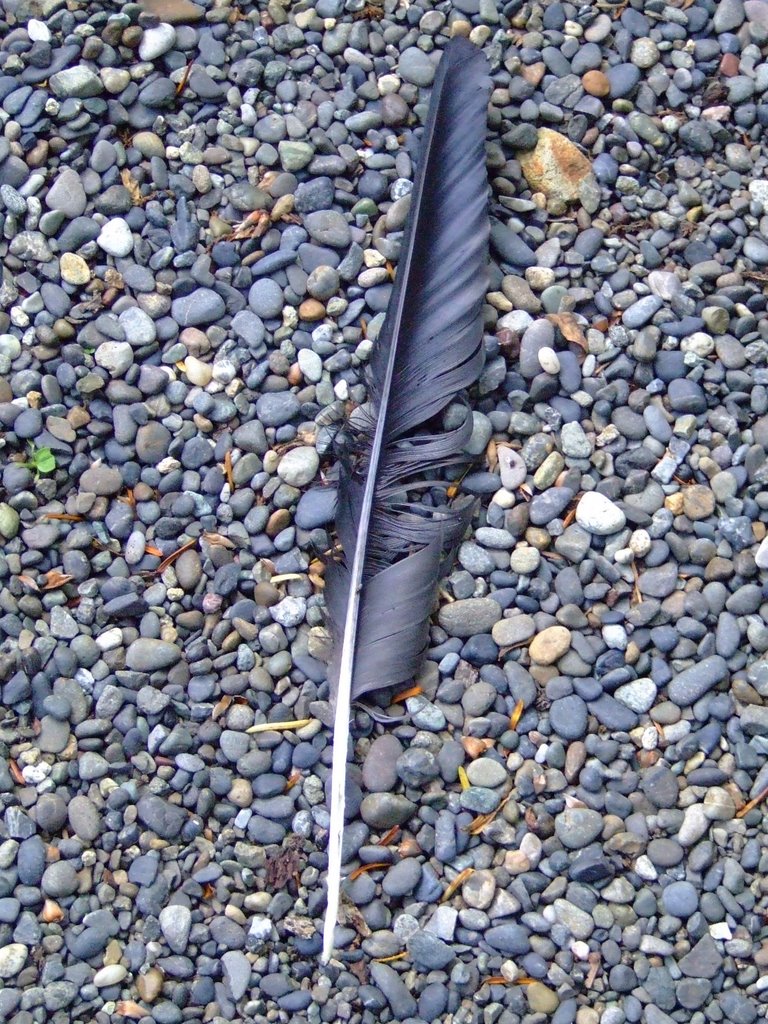
This picture of a crow is for my friend David Titterington in Shikoku. I always think of you when I see them flying around here. They are also my 4 am alarm clock every morning.


The school here takes good care of us - and last weekend they took us to a national park called Oonuma. I`ll post more pictures tomorrow...

All is well, Japan is fantastic except for the fact I can`t understand the kanji on the computer, and well, I have to catch my train to get home for dinner. mata ne...